
WATCH as Anglian Water explains why Peterborough endured flooding and sewage discharges after heavy rain followed heatwave

Anglian Water registered nearly 2,000 hours of sewage discharge in just one week with some of the heaviest being near Peterborough, it has been claimed.
According to the campaign group WaterWatch, Anglian Water registered 1,932 hours of sewage discharges across 1,767 separate events between August 24 and August 30.
The group, which is a registered charity, claims this is a 525 per cent increase in spill duration compared to the previous week.
The surge in discharges came towards the end of the UK’s hottest ever summer which was followed by days of heavy rain that left some homes and businesses in Peterborough flooded and made several roads impassable.
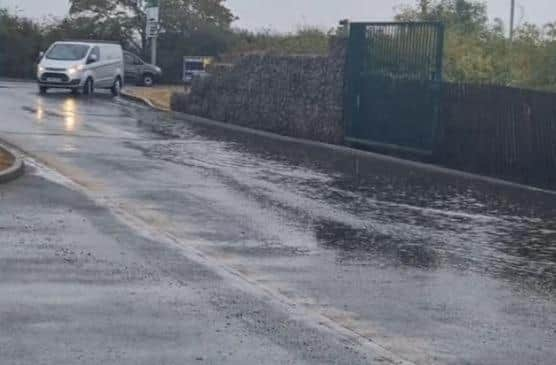

But Anglian Water officials say while they are working to end the use of storm overflows, the incident occurred because the rainfall simply poured off the very dry ground.
According to WaterWatch, figures for some sewage discharge monitoring stations near Peterborough were:
- Counterdrain River Nene, Peterborough:: Logged 1.8 days of cumulative spills.
- Stamford-Hudds Mill Terminal Pumping Station: Discharged continuously into the River Welland for 3.1 straight days (74.4 hours) in a single event.
- River Welland: Suffered 4.1 days of cumulative discharges across 5 monitored locations.
But a spokesperson for Anglian Water said: “Following exceptionally high rainfall in a short amount of time between August 24 and August 30, some of our storm overflows along the River Nene in Peterborough operated.
"After months without meaningful rainfall, the ground – even grass and soil – is incredibly dry at the moment.
“This means that any rainfall that hits the ground will simply run off it, as it would on concrete or tarmac, straight into our wastewater network.
The spokesperson added: “We know our customers and communities feel strongly that storm overflow discharges are unacceptable, and we agree.
"Our long-term goal is to completely stop using storm overflows, but getting there isn’t something we can do overnight.
"We’ve already removed more than 340 storm overflows from our network entirely, and we’re investing £1 billion between now and 2030 to tackle storm spills by installing more stormwater storage and preventing rain and groundwater from getting into our pipes to begin with, making storm overflow activations less likely.”
Storm overflows have been part of the sewer system for decades and were designed to protect homes and businesses from internal sewer flooding during heavy rainfall.