
Queensgate Roundabout Skeletons - The story so far as tombs discovered
The ongoing saga of the Queensgate Roundabout works took another twist as it was revealed dozens more skeletons had been found, along with tombs and burial chambers.
Police confirm area is not a crime scene
As many have said since the discoveries were first announced by The Peterborough Telegraph in July, it is perhaps not a huge surprise workers have found human remains during the works, as Queensgate Roundabout is located on the old Parish Burial Ground.
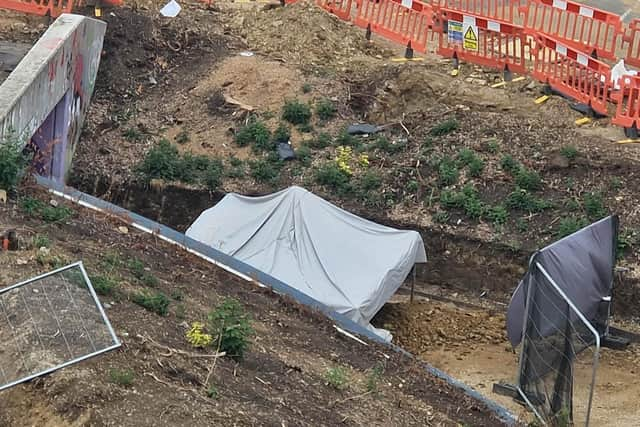

Council records showed that remains from this cemetery were cleared when the subways were built – but it was always possible that some remains may have been missed during the works half a century ago.
However, the number of discoveries has come as a shock.
The news of the first discoveries was broken by The Peterborough Telegraph on July 28, when seven skeletons had been found. The discoveries were made almost exactly a month after the major roadworks started.
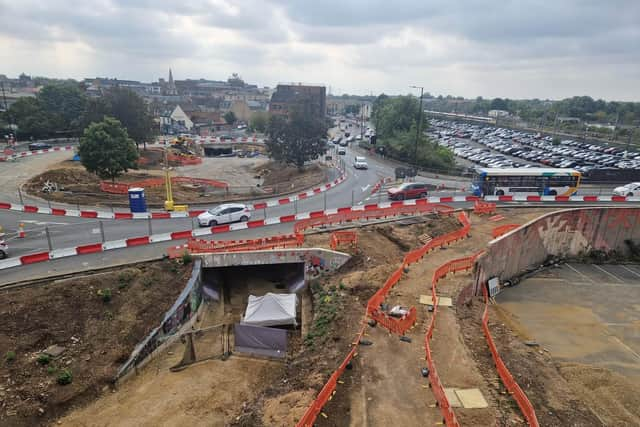
Number of remains found continues to rise
Once police had been to the site to confirm that the area was not a crime scene, a team from Oxford Archaeology started working at the roundabout, to ensure the skeletons were removed safely, with as little damage as possible.
But on Wednesday, August 26, the true scale of the discoveries became apparent, when we revealed a total of 37 human remains had been found, along with tombs and burial chambers.
The Archaeology team are still working at the roundabout, as it is anticipated more remains will be found.
A small tent remains at the scene, protecting the remains from the elements.
The works at Queensgate Roundabout are scheduled to last until the summer of next year – with the discoveries resulting in an eight week delay.
Delays on works anticipated
Councillor Angus Ellis, cabinet member for transport at Peterborough City Council, said: "Work is currently continuing at the site, with staff from M Group working alongside Oxford Archaeology following the discovery of human skeletal remains.
“Archaeologists have now discovered 37 skeletons along with tombs and burial chambers. Due to this, we anticipate that the programme could now be delayed by up to eight weeks potentially. This is due to the nature of the work that the archaeologists are undertaking, which is intricate and time-consuming. We are looking at options to reduce this possible delay in later phases of the project and will announce updates in due course.”
What happens next?
A burial license has been obtained from the Ministry of Justice and the remains are in the process of being exhumed according to the highest national standards and as per Oxford Archaeology’s methodology, which has been approved by Peterborough City Council’s archaeologist.
No details about the skeletons has been revealed – so nothing is known about who the remains are of – whether they are adult or child, male or female – or exactly how long ago the people were buried at the site.
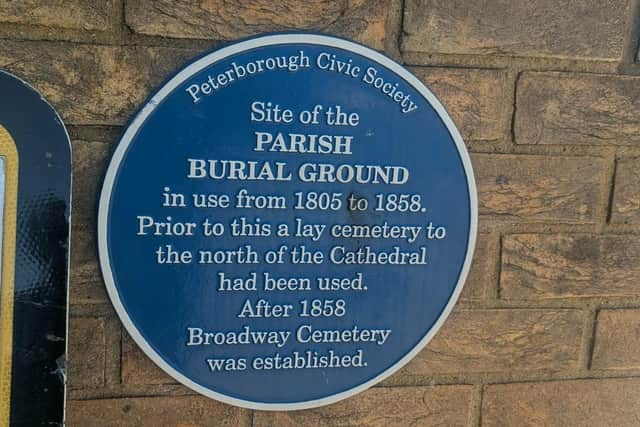
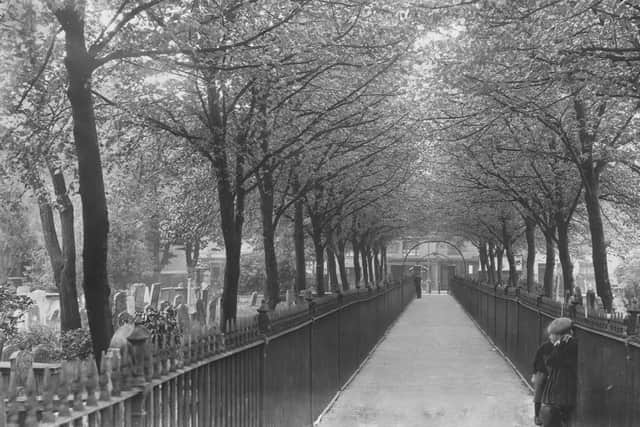
The Parish Burial Ground was located on a three-acre site at the bottom of Cowgate, and was believed to have been opened around 1805, and closed to new burials in 1858.
Security has been stepped up at the site following the discoveries.
History of the Parish Burial Ground
According to the Peterborough Civic History Society, the first person buried at the site was Elizabeth Money in March 1805.
In a time of advances in medicine and surgery, the demand for human bodies for dissection was high.
With medical schools constantly in need of bodies, grave robbers would steal freshly-buried corpses to sell on.
The worst years for body-snatching at the Parish Burial Ground were between 1827 and 1830. As a result, the walls around the burial ground were replaced with iron railings.
Until now, the only evidence of the site’s history was a blue plaque on the wall by Cowgate.
Station Quarter Plans
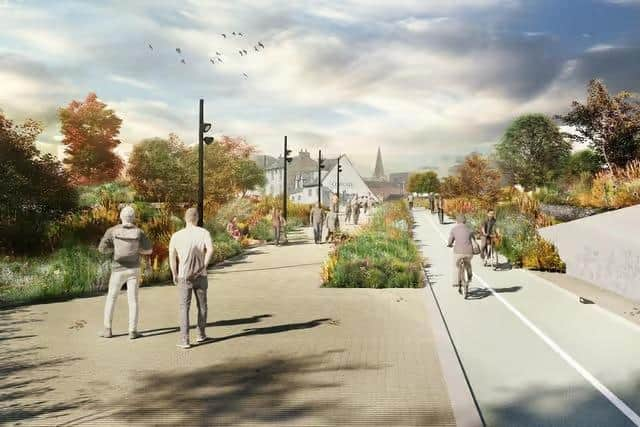
The two underpasses close to the roundabout will be closed and filled in with roughly 1,000 tonnes of concrete.
Once the underpasses have been filled in, pedestrians and cyclists will travel at ground-level to bypass the roundabout.
The route will be landscaped with 55 new trees planted and stone walling installed.
The works will be partly paid for with a £1.5 million government grant through the Peterborough towns fund.