
The hidden cost of fly-tipping in Peterborough — and how responsible waste disposal can help
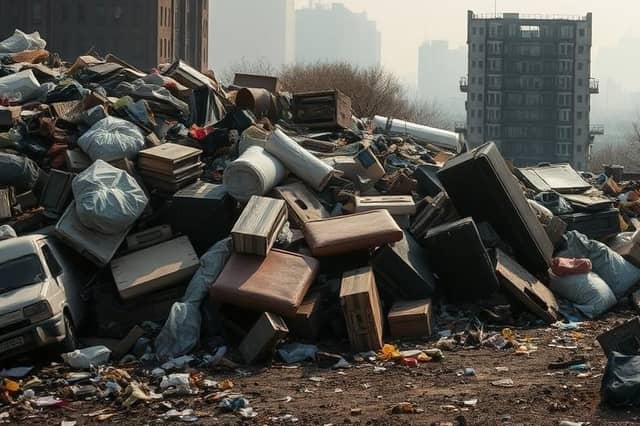

We can all play our part in helping clean-up Peterborough, and tackling the scourge – and costs – of fly-tipping
Fly-tipping has become one of the most frustrating and costly environmental issues facing communities across the UK — and Peterborough is no exception. From discarded mattresses on country lanes to piles of construction debris dumped on quiet verges, illegal waste disposal not only spoils our landscape but also creates a lasting burden on taxpayers and local councils.
While local authorities and volunteers work tirelessly to keep neighbourhoods clean, the fight against fly-tipping can only be won through shared responsibility — by residents, businesses, and professional waste services alike.
Recent reports show that incidents of fly-tipping in Peterborough have been on the rise, echoing a national trend. Rural areas on the city’s outskirts, as well as industrial zones and residential backstreets, often become dumping grounds for unwanted household items or building waste. Each year, local councils spend significant sums clearing illegally dumped rubbish — money that could otherwise go toward community projects, road improvements, or public services.
Beyond the financial strain, fly-tipping also damages Peterborough’s reputation as a clean and green city. It harms wildlife, clogs waterways, and can even pose health risks when hazardous materials are involved. In some areas, dumped waste can attract vermin or release harmful chemicals as it decomposes.
For local residents, seeing rubbish piled up in shared spaces is both disheartening and demoralising. It sends the message that neglect is acceptable — something no community should tolerate.
Why Does Fly-Tipping Happen?
There isn’t one single cause. Some offenders simply want to avoid disposal fees, while others may not know where to take certain types of waste. Unlicensed “man with a van” operators — who offer cheap clearance services but dump waste illegally — are a major part of the problem. Once rubbish is handed to them, householders may unknowingly become liable if it’s later found dumped.
Education is key here. Many people don’t realise that anyone who transports or disposes of waste for payment must be Environment Agency–registered. Choosing a licensed collector ensures waste is disposed of properly and traceably.
The role of responsible disposal
In contrast to illegal dumping, responsible waste clearance services follow strict environmental standards. They ensure that reusable materials are separated, recyclables are processed correctly, and any remaining waste is handled safely.
A strong example of this approach can be seen in Junk Bunk, London based junk removal company, which provides professional rubbish removal and house clearance services. The company prioritises eco-friendly practices, working with licensed recycling facilities and charity partners to divert waste from landfill. Their model shows how efficiency and environmental care can go hand in hand — and it highlights what responsible disposal looks like in practice.
By supporting or replicating such methods, communities like Peterborough can reduce their environmental footprint and discourage the kind of careless dumping that blights so many rural roadsides.
What Peterborough is doing right
Peterborough City Council has made considerable efforts to combat fly-tipping through increased surveillance, community reporting schemes, and dedicated clean-up teams. The council’s online reporting system makes it easier for residents to log incidents quickly, helping crews respond faster and keep affected areas clean.
Several local volunteer groups have also stepped up — organising clean-ups in parks, riversides, and residential estates. These grassroots initiatives show that community pride is alive and well. However, to achieve lasting change, residents need consistent education about legal disposal options and encouragement to use authorised waste services.
Practical steps for residents
Reducing fly-tipping starts with everyday decisions. Here are some simple but effective steps Peterborough residents can take:
Use official recycling and waste centres. The council provides information on what materials can be taken to local facilities and any associated fees.
Check waste carrier licences. Before hiring anyone to remove rubbish, confirm their registration number on the Environment Agency’s website.
Report fly-tipping immediately. Quick reporting helps local teams investigate and remove waste before it spreads or causes harm.
Reuse and donate. Many unwanted items — from furniture to electronics — can be given a second life through donation or upcycling.
Organise community clear-ups. Collective action not only removes waste but also strengthens local pride and vigilance.
When communities take ownership of their environment, the incentives for fly-tipping diminish significantly, say Junk Bunk.
A shared responsibility
Tackling fly-tipping isn’t just about enforcement — it’s about creating a culture that values cleanliness, responsibility, and respect for shared spaces. Professional clearance services, local councils, and residents all play their part.
Peterborough has already shown that community cooperation works. With continued vigilance and a commitment to responsible waste disposal, the city can protect its green spaces and public areas for generations to come.

By learning from responsible waste practices already proving successful elsewhere — like those used by Junk Bunk in London — Peterborough can reinforce its image as a forward-thinking, environmentally conscious city that values both people and place.
Conclusion
Fly-tipping may seem like an unavoidable nuisance, but with the right awareness, action, and accountability, it can be drastically reduced. Each of us has a role to play — from choosing licensed waste carriers to reporting offenders and spreading awareness.
Keeping Peterborough clean is more than a civic duty; it’s an investment in our community’s wellbeing, says Junk Bunk. When we all take responsibility for the waste we create, we make space — literally and figuratively — for a brighter, greener, and more sustainable future.