
The lost Roman town near Peterborough where a huge hoard of silver was found in 1975
The town occupied the site of modern-day Water Newton
Given that Peterborough as a settlement dates back to 655AD, it’s little wonder that the area surrounding the city is equally as historic.
The city’s birth in the Middle Ages coincided with the establishment of a Saxon monastery named Medeshamstede, but the area’s history dates back long before even that period.
The links between Cambridgeshire and the Romans are well-told, with the county forming a key pillar of the Roman England civilisation.
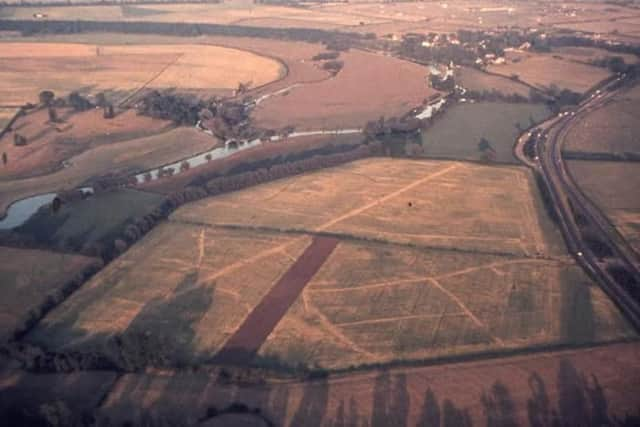

Over the years, countless historical finds surrounding Peterborough have shed more light on the area’s ties to the Romans.
While the visible existence of Roman settlements near Peterborough have long since disappeared, historians continue to develop an understanding of how they operated more than 2,000 years ago.
Across England there are dozens of lost Roman towns, with several located just a stone’s throw from Peterborough.
The lost Roman town of Durobrivae
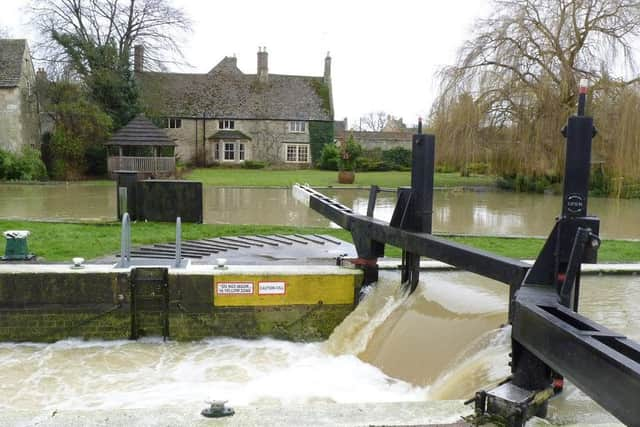
To many Peterborough residents, the tiny village of Water Newton is only briefly passed while driving along a section of the A1 just outside the city.
Home to under 100 people, the pretty village is located on the banks of the River Nene and remains popular with those looking to escape from the hustle and bustle of city life.
But over 2,000 years ago Water Newton was anything but a small village.
During the Romans’ four century-long occupation of England, modern day Water Newton was the site of a significant town named Durobrivae.
The large walled town was built to protect the crossing point of Ermine Street over the River Nene.
According to the Nene Valley Archaeological Trust, the town was an important place in eastern Roman Britain and pottery vessels produced in its many kilns were traded widely across the province
Extensive excavations of Durobrivae were undertaken in the early 19th century, with archaeologists unearthing many artefacts including mosaic floors.
Aside from some small excavations in the 1950s ahead of the A1’s widening, the site has remained largely untouched over the past two millennia.
In 1975, however, modern day Water Newton made national headlines after jaw-dropping discovery was made.
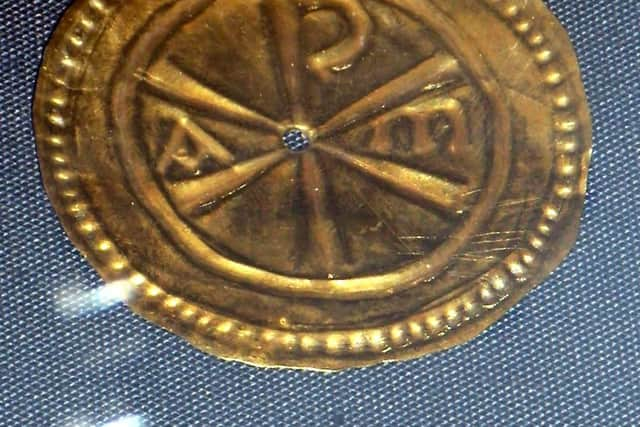
While ploughing a field close to the Durobrivae site, a local farmer unearthed a hoard of fourth-century Roman silver.
Consisting of 27 silver artefacts, the hoard is thought to have been buried by an inhabitant of Durobrivae around 2,000 years ago.
The hoard is now on display at the British Museum, with several artefacts loaned to Peterborough Museum in January 2019.