
Isolated village near Peterborough that had its own RAF base in WW2 - why it’s still a poignant visit in 2026

The base opened in 1941
November often gets an unfair reputation for being damp, dreary and miserable, but autumn has plenty more to offer than grey skies and rainy days.
We’re at that time of year when your phone’s camera roll can quickly become a collection of stunning seasonal photographs.
Mid-November is traditionally one of the best times to enjoy the season’s spectacular display, and this year has been no exception.
The generous spells of sunshine we’ve enjoyed throughout the month have only enhanced the scenery, illuminating the trees as they begin to shed their leaves in preparation for winter.
The result is a beautiful mix of golden yellows, rich reds and warm browns - a photographer’s dream and a reminder of just how special this time of year can be.
Peterborough looks particularly picturesque during autumn, with familiar streets and green spaces transformed by the changing colours.
But if you’re looking to fully embrace the season and escape into some truly idyllic surroundings, it’s worth venturing a little further afield.
Just a short drive from the city, you’ll find dozens of charming villages where autumn really comes into its own.

With their quiet country lanes, traditional thatched cottages and historic village churches, these little rural communities provide the perfect setting for a crisp autumn walk, particularly when the sun is shining and the leaves are at their most colourful.
Polebrook and its Second World War links
Situated a couple of miles east of Oundle, the picturesque Northamptonshire village of Polebrook is now home to just a few hundred residents.
Today, it is a relatively quiet rural community, with little in the way of amenities beyond its village pub, church and primary school.
But rewind just over 80 years and Polebrook was playing a hugely significant role in the Second World War.
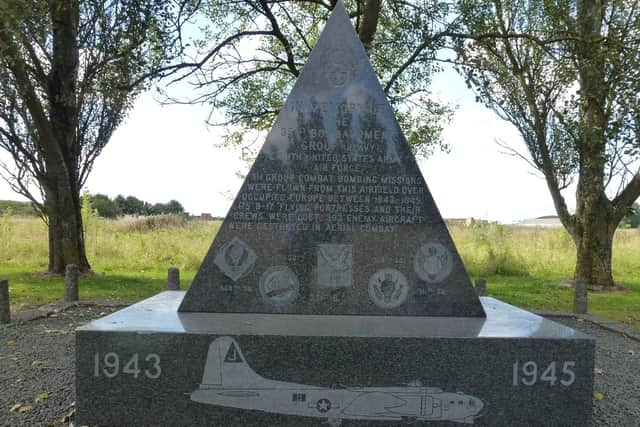
During the conflict, the village was home to RAF Polebrook, one of Northamptonshire’s most strategically important airfields in the Allied campaign against the Axis Powers.
Opened in 1941, the airfield made history the following year when it became the launchpad for the first heavy bomber mission carried out by the US Eighth Air Force.
Perhaps one of the most remarkable chapters in Polebrook’s wartime story came in 1943, when Hollywood legend Clarke Gable arrived at the airfield.
The celebrated actor was assigned to the USAAF's 351st Bomb Group, where he was tasked with producing and directing Combat America, a film designed to support recruitment and provide insight into aerial gunnery training.
During its operational years, Polebrook’s three runways accommodated a variety of military aircraft, including the iconic B-17 Flying Fortress, which became synonymous with the American bombing campaign over Europe.
Following the end of the war, the airfield was handed back to the RAF for a short period before officially closing in 1948.
By 1967, the former military site had been fully returned to the Rothschild estate, with its runways subsequently broken up and much of the concrete removed.
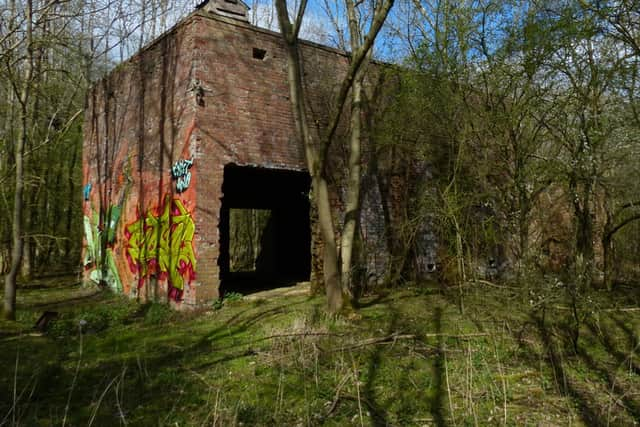
Today, the land has largely returned to agricultural use, although a hangar dating back to the airfield’s wartime years remains as a reminder of its remarkable past.
Polebrook may have long since lost its place on the military map, but its contribution to the Allied war effort - and its fascinating connection to one of Hollywood’s biggest stars - ensures its place in Second World War history will not be forgotten.