
Queensgate skeletons discovery: What the law says about archaeological burials - and what happens next
Seven skeletons were discovered by construction workers
Work on Peterborough’s CityLink project has been delayed after construction workers discovered seven skeletons believed to date back to the Medieval era.
In announcing the discovery yesterday (Tuesday, July 28), Peterborough City Council said that the skeletons are believed to date from a cemetery which existed on the Queensgate site during the Mediaeval period and later developed in the Victorian period.
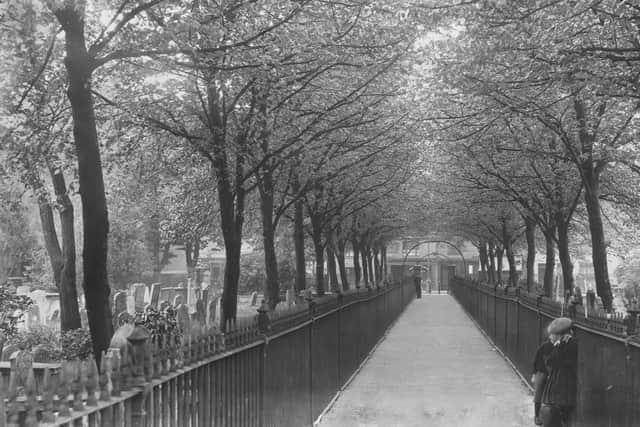
In use between 1805 and 1858, the Parish Burial Ground was located on a three-acre site at the bottom of Cowgate, covering the present-day Queensgate Roundabout.
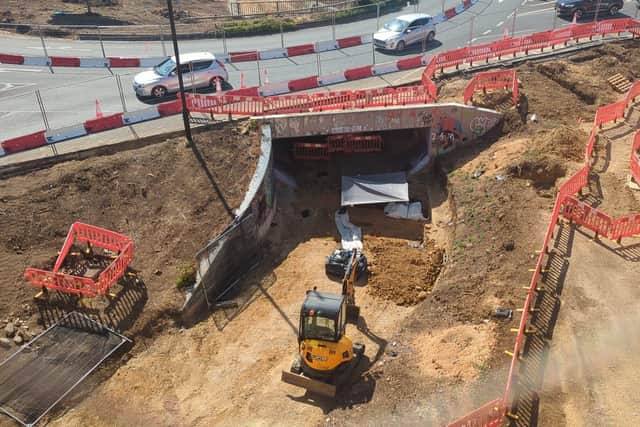

The burial ground was opened in the early 19th century due to the lay-persons cemetery on the north side of the Cathedral becoming overcrowded.
It stopped accepting new burials in the late 1850s, but remained open for members of the public to tend to graves.
What happens next and what does the law say about archaeological burials?
Peterborough City Council has confirmed that CityLink works may be delayed by four weeks as a result of the skeleton discoveries – although it is hoped they will make up the time later in the project
The Council has obtained an archaeological licence and appointed an archaeologist to ensure the skeletons are reburied in line with national guidelines.
The skeletons will be removed from the site and re-buried in Church of England cemeteries elsewhere in the city.
Unexpected discoveries of human remains do occasionally occur at construction sites across the country, often when excavating former burial grounds, as with the case at the Queensgate Roundabout.
All discoveries of suspected human remains must be handled in accordance with the Burial Act 1857.
If suspected human remains are uncovered during a project which is not undergoing archaeological evaluation or excavation, all work in that part of the site must stop immediately and the police should be contacted. Specialists will be consulted in order to confirm whether the remains are human and, if so, to determine if they are modern or can be considered as archaeological.
Once the skeletal remains are removed from the site, they will undergo laboratory analysis to determine things such as the person’s age at the time of death and their sex.