
Patients across the East of England to benefit from faster response times with delivery of 183 new ambulances
Patients across Peterborough are benefitting from quicker ambulance response times – with the delivery of 183 new vehicles to the East of England Ambulance Service Trust (EEAST) – and recent data showing its response times are the fastest for five years.
The new fleet is part of the Government’s plan to deliver 1,141 replacement ambulances to NHS Trusts across England - boosting frontline capacity and helping paramedics respond to patients faster.
The recent delivery of 183 new double-staffed frontline ambulances at EEAST replaces older vehicles – with the overall number at the Trust remaining at 525.
The ambulances are equipped with modern technology to improve protection for patients and staff while supporting paramedics to deliver urgent care more effectively. It is also hoped the new vehicles will improve reliability and keep more ambulances on the road.
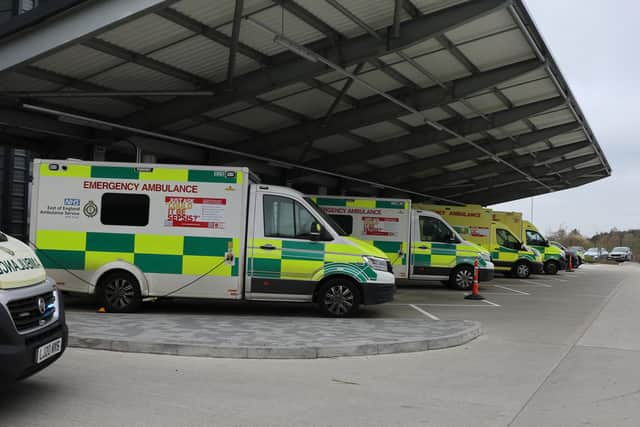

An EEAST spokesperson said: “The investment in our fleet from the Department of Health and Social Care has allowed us to purchase modern, well-equipped vehicles to replace older ambulances. This means less downtime for repairs and maintenance and more time out on the road responding to 999 calls, so we can get to patients who need us even faster.”
Faster Response Times
The new ambulances come amid some other good news for EEAST – with new figures showing it achieved the fastest average response times for serious emergencies in almost five years last month.
The figures for March show an average response time across the region of under 30 minutes for Category 2 emergencies – such as chest pain or stroke symptoms – at 28 minutes 15 seconds. This was the best performance since May 2021, and means ambulances are getting to seriously unwell patients even faster.
A Trust spokesperson said: “EEAST has focused relentlessly on reducing the amount of time ambulances are off the road being repaired or maintained, by investing in new fleet.
“The Trust has also expanded its clinical assessment service in its emergency operations centres, recruiting more clinicians who can treat less seriously unwell patients over the phone.”
Around 18% of all 999 calls EEAST receives are now treated over the phone, freeing up ambulances to only attend those patients who genuinely need one.
Neill Moloney, Chief Executive Officer at EEAST, said: "These latest figures are great news for patients in the east of England, as they show our ambulances are responding for the fastest time in almost five years. This is down to the sheer hard work and dedication of our ambulance crews, control room staff and support services who are ensuring our ambulances are on the road as much as possible.
"I am incredibly proud of everyone at EEAST who is playing a part in delivering outstanding patient care, and I am determined to keep up this momentum."
The news comes on top of recent NHS figures showing a 9.8% growth in EEAST's productivity – one of the highest for an ambulance trust in the country – which led to faster response times over winter despite one of the busiest winters on record.
A record for England
Funded through a combination of national investment and local funding, the Department of Health and Social Care says its new ambulance fleet marks “the highest number of replacement ambulances in England delivered in a single year since records began”.
Health Minister, Zubir Ahmed commented: “By modernising the NHS fleet, our hardworking paramedics are equipped with all the tools they need to do their jobs safely and effectively, while ensuring patients receive the highest possible standard of care.
“Replacing older vehicles with state-of-the-art ambulances means we are not only improving reliability and reducing downtime, but crucially helping more crews stay on the road and respond to emergencies.
“These vehicles are equipped with the technology to better protect staff and support faster, more effective treatment. This is a vital step in ensuring the NHS can continue to deliver world-class care for patients when they need it most.”