
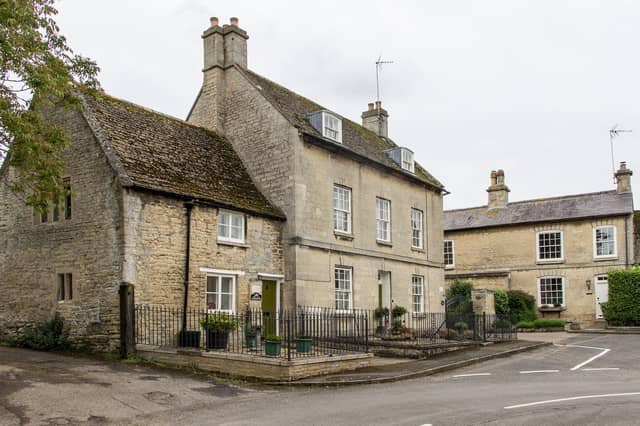

We all know that the city of Peterborough has a rich history, from the majesty of Peterborough Cathedral to the fascinating Bronze Age settlement of Flag Fen.
It should go without saying, but the Peterborough we know today is considerably different to the city of several centuries ago.
Those who walked Peterborough’s streets before us, including the Romans and Anglo Saxons, played a key role in shaping the city of today.
The same can be said for the villages surrounding Peterborough; many of which have existed for centuries.
The difference between these villages and Peterborough itself is that many small settlements have remained unchained for hundreds of years, often containing the same cluster of cottages and pubs as they did centuries ago.
With spring upon us, now is the perfect time to start exploring the hidden history surrounding Peterborough.
We’ve taken a look at 6 of the oldest villages near Peterborough that you can still live in and visit in 2026:
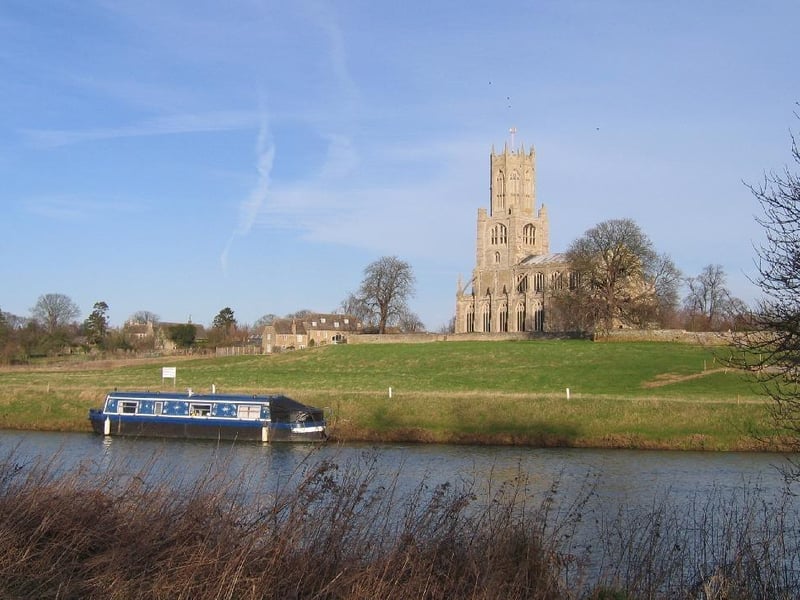
5. Fotheringhay
Situated west of Peterborough on the banks of the River Nene, Fotheringhay is best known for its church, All Saints, which stands dominant above the flat landscape. The impressive building was rebuilt between 1411 and the 1430s as a college of priests. The remains of Fotheringhay Castle - founded around 1100 - can still be found in the village. Photo: smb1001
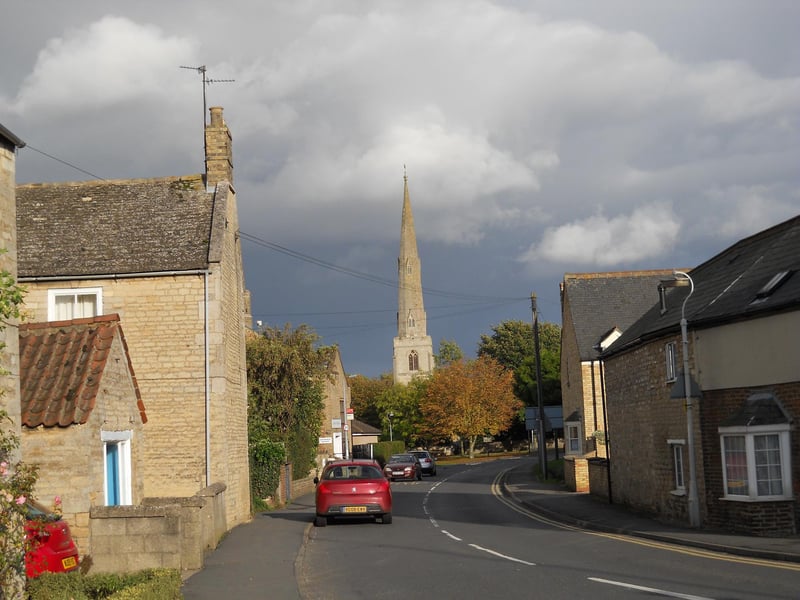
6. Glinton
Lying just off the A15, Glinton is one of Northamptonshire's medieval villages with a fascinating history. With links to the Roman era and Iron Age, Glinton is widely regarded as one of the oldest villages in the area and its history can still be seen today. The village was mentioned in the Domesday Book of 1086, with much of its land owned by Peterborough Abbey. Glinton’s St Benedict’s Church, which dates back to the 12th century, is the village’s only remaining medieval structure. Photo: Paul Bryan