
We all know that the city of Peterborough has a rich history, from the majesty of Peterborough Cathedral to the fascinating Bronze Age settlement of Flag Fen.
It should go without saying, but the Peterborough we know today is considerably different to the city of several centuries ago.
Those who walked Peterborough’s streets before us, including the Romans and Anglo Saxons, played a key role in shaping the city of today.
The same can be said for the villages surrounding Peterborough; many of which have existed for centuries.
The difference between these villages and Peterborough itself is that many small settlements have remained unchained for hundreds of years, often containing the same cluster of cottages and pubs as they did centuries ago.
With spring upon us, now is the perfect time to start exploring the hidden history surrounding Peterborough.
We’ve taken a look at 6 of the oldest villages near Peterborough that you can still live in and visit in 2026:
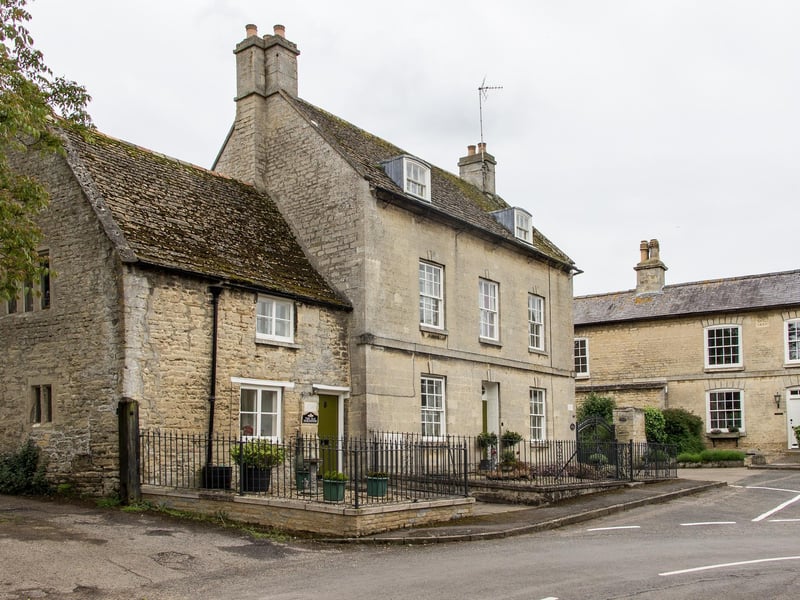
1. Barnack
Home to just over 1,000 people, the village of Barnack is located between Stamford and Peterborough. The village is famous for three things: its limestone industry, its church and an unusual early Bronze Age burial. The limestone, known as Barnack Rag, was a valuable building stone first exploited by the Romans. Quarrying continued in Medieval times when the Abbeys at Peterborough, Crowland, Ramsey, Sawtry, Thorney, Ely and Bury St. Edmunds all used Barnack stone. In 1974, a Bronze Age burial site was unearthed in the village. Photo: Billy Wilson/Flickr
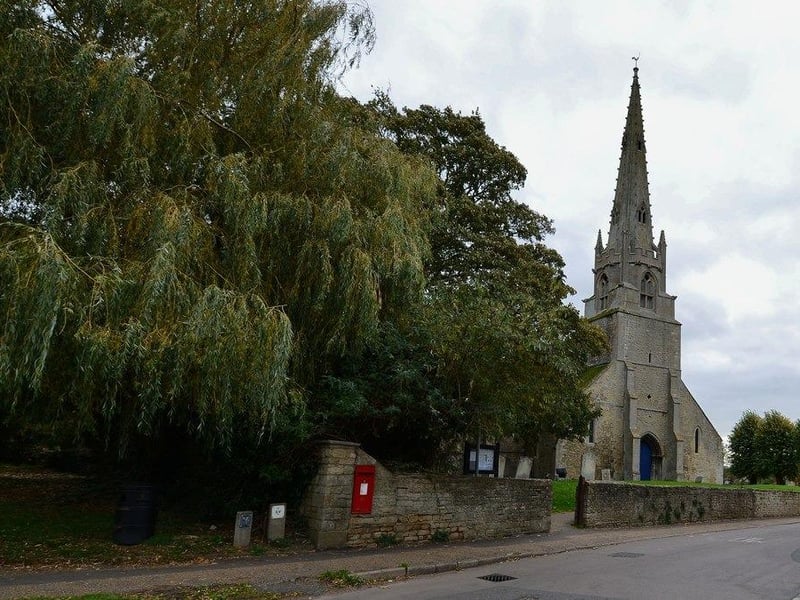
2. Nassington
Home to under 1,000 people, the small village of Nassington is located eight miles west of Peterborough in Northamptonshire. The oldest parts of the village date back to the Anglo-Saxon period. At the time of the Domesday Book in 1086, the village had 27 households. Photo: Michael Garlick
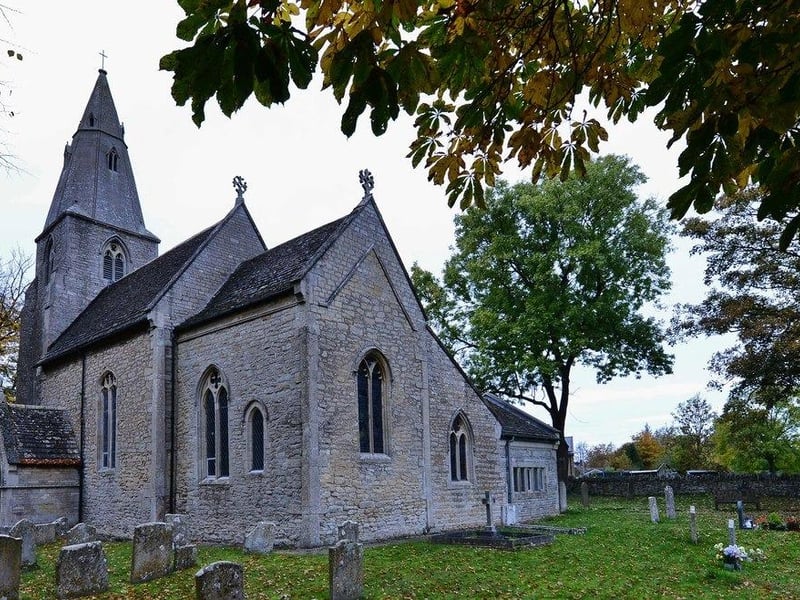
3. Wittering
Much like Nassington, the village of Wittering - located a few miles west of Peterborough - has strong Anglo-Saxon links. The village church, All Saints, was constructed between AD 950 and 981, with surviving original features including parts of the nave's south wall, the chancel's east end, and the chancel arch. At the time of the Domesday Book, the village had 44 households. Photo: Michael Garlick
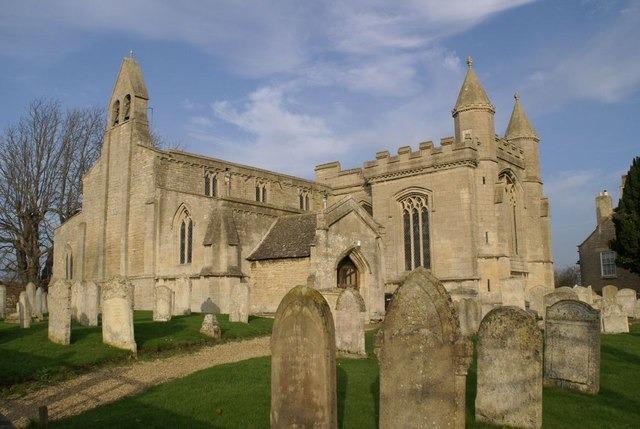
4. Northborough
Located just off the A15, Northborough is arguably one of Cambridgeshire's most historic villages, with archaeological evidence of Neolithic, Bronze Age, Iron Age, and Roman settlements uncovered. In 2005, a Time Team episode investigated a 6,000-year-old Neolithic causeway in Northborough. Northborough Manor, which still stands today, was built between 1330 and 1340. Photo: Chris Stafford