
Last few skeletons being exhumed from Queensgate Roundabout - for now
Council say more human remains could be found in the new year
After months of work, the final few skeletons found at the Queensgate Roundabout are set to be exhumed.
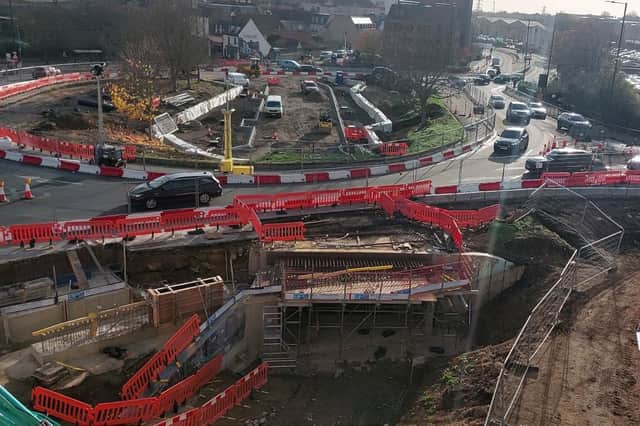

Human remains were found at the start of the works, which are transforming the foot and cycle routes into the city centre.
The remains were originally from the old Victorian graveyard that was located where the roundabout now is.
In total, 103 human remains have now been found by workers on the roundabout.
It is thought no more will be found during the current phase of works - but the city council have said more could be found in the new year.
The remains will be buried at Eastfield Cemetery in the spring, with a Church of England Service. A memorial will be placed in the cemetery when the reinternment takes place.
There is a chance we might discover skeletons which were moved in the 1970s.
Councillor Numan Ali Iqbal, cabinet member for growth and regeneration at Peterborough City Council, said: "Archaeologists are expected to remain on the site until the end of this week. The current total of skeletons discovered is 103.
"In January we will start widening the soil banks as you walk from the station out of the remaining subway. As this doesn't involve any digging downwards, we don't anticipate this will lead to the discovery of burial sites, however, there is a chance we might discover skeletons which were moved in the 1970s.
"For this reason, the reinternment of the skeletons in Eastfield Cemetery is not planned until Spring 2027."
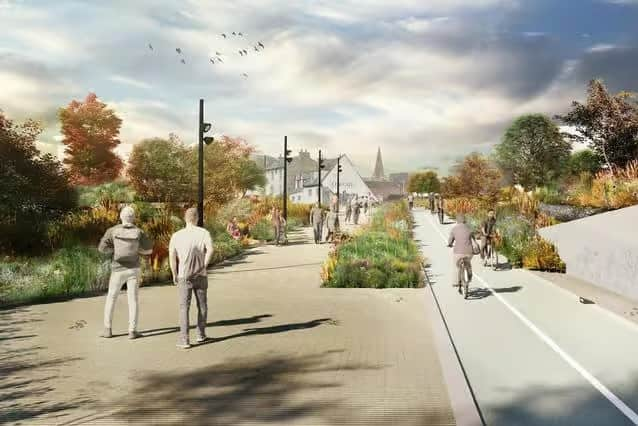
As a result of the finds, the works have been delayed by three months.
There have been calls for a suspension of the works over festive period, as Christmas shoppers and party goers come into the city centre.
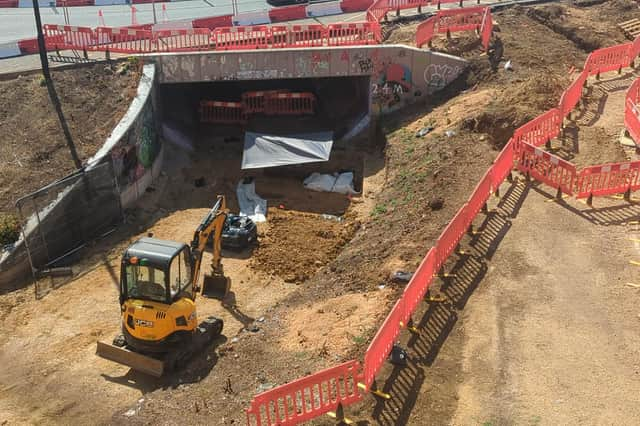
Residents have asked why it was a surprise that the skeletons had been found - given it was common knowledge a graveyard had been located there.
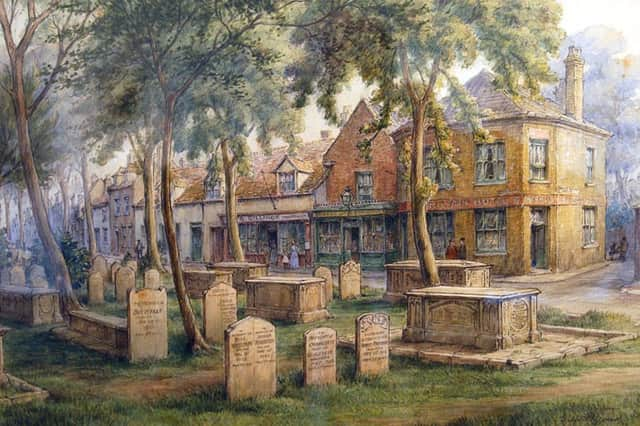
Councillor Angus Ellis, cabinet member for transport at Peterborough City Council, said: "As the site had previously been a cemetery, there was always a risk that skeletons could be found. However, our records showed the cemetery had been cleared and the digging we had to do on this project was anticipated to be fairly minimal - we only had to dig a few feet down in one specific location at the northern side of the site, to create the drainage system.
"It would have been difficult to detect these through non-intrusive techniques, such as geophysical surveys, due to the relatively small size of the skeletons and the 'background noise' caused by the construction of the subways and the materials used.
"Once the first skeleton was found, a burial licence was applied for an obtained from the Ministry of Justice and archaeologists attended the site. We have been working with the archaeologists to ensure the skeletons have been exhumed correctly.
"Our historical records show the cemetery was very full and we have been told by archaeologists that bodies had been buried on top of each other to ensure there was enough space for future burials. That means that the ones we have been discovering are likely the original burials when the cemetery first opened.”