
Anglian Water points to 'unflushable material' in sewer network as causes of foul stench in Peterborough
Anglian Water has insisted that the presence of unflushable material in the sewer network is behind the ‘foul’ stenches reported by Peterborough residents.
In recent weeks, residents have reported growing issues with an odour coming from a water treatment facility at Orton Mere.
Residents have told the Peterborough Telegraph that the smell has now become so bad that it stops them from having their windows open at times; describing it as an ‘eggy, sulphur, sewage smell.’
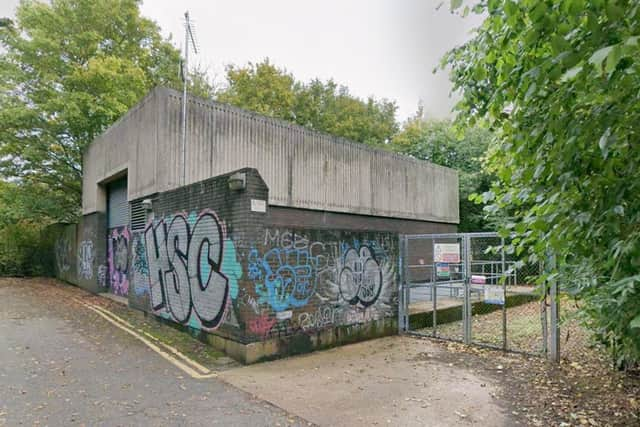
They believe to have tracked down the smell to an old and run down monitoring station, located after the first right turn when driving into the site. When asked about concerns by the PT, Anglian Water- which owns the building- pointed to the fact that their team has pulled hundreds of tonnes of unflushables from this site.

The company has announced that it will proactively work in key hotspots to tackle the problems after finding more than 8,000 unflushables in its sewers in just 8 weeks since August.
Wipes are a major contributor to this problem. Around half a million wipes – equivalent to 9,500 packets – are flushed into the East of England’s sewers every day. When flushed, wipes can mix with fats, oils, and other unflushable items, creating solid blockages because wipes don’t break down like toilet paper and can take over 100 years to decompose — even those labelled ‘flushable’ or ‘fine to flush’.
Anglian Water has estimated that 80% of sewer flooding and 67% of pollutions are caused by wipes, fats, oils and grease (FOG) and other unflushable materials which shouldn’t be entering the sewer network.
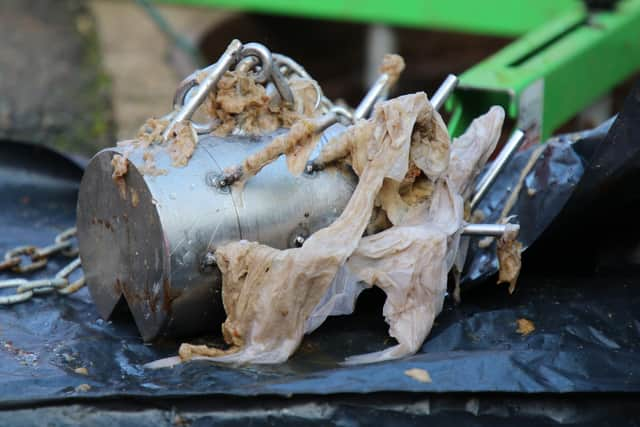
To tackle this, the water company is using innovative ‘hedgehog’ devices placed in sewers to capture wipes and other unflushable materials in pipes. Following a trial last year in Northampton where the hedgehogs collected 14,948 unflushables in just four months, the devices have been rolled out across 5 new high priority hotspot areas. The results speak for themselves, with the hedgehogs collecting 18,071 unflushables across the hotspot locations in just 8 weeks since they were installed in August.
Connor Brailsford, Programme Manager at Anglian Water, commented: “Stopping fats, oils, and grease at the source is one of the most effective ways to protect our environment – especially when combined with action on unflushable items like wipes. That’s why we’re working in blockage hotspots across our region to raise awareness and protect local communities by keeping their pipes safe from blockages. We’re really pleased that the work we’re doing is already having such significant positive impacts – but there’s always more we can do, and we need our customers’ support.”