
Political View: Under 16s to be banned from Social Media
I have been persuaded by the strong reasoning behind the proposed ban
The Prime Minister has announced that under-16s will be banned from social media. A public consultation, which concluded earlier this year and had more than 116,000 responses, found that 85 per cent of parents believe the risk of social media outweigh the benefits.
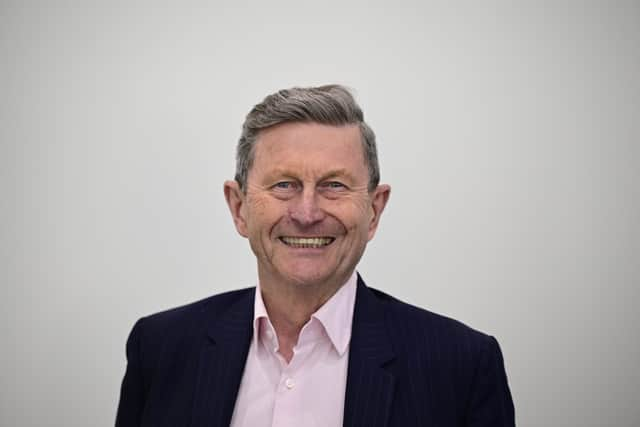

As a confirmed libertarian, supporting the proposal is not without some reluctance on my part, however like many others, and parents in particular, I have been persuaded by the strong reasoning behind the proposed ban.
Although not solely the pursuit of the young, as witnessed by how many of us seem incapable of resisting the urge to check our messages at every available opportunity, or resorting to doom scrolling through social media apps when there is a hint of a spare moment, it’s an inescapable fact that the rapid growth of social media has transformed how young people communicate, learn and spend their leisure time. While these platforms can offer opportunities for connection and creativity, there is increasing evidence that excessive social media use can have negative consequences for children and teenagers. For this reason, curtailing social media use for those under the age of 16 can provide significant benefits for their wellbeing, education and personal development.
Although from the experiences of Australia where a similar ban has been somewhat discredited by assertions that tech savvy young users have easily found ways to circumvent the ban, its surely worth every effort to ensure restrictions are effective and enforceable if only from the consideration of the most important advantages being the protection of mental health. Young people are particularly vulnerable to the pressures created by social media, including unrealistic body images, constant comparison with others and the desire for online approval. The pursuit of "likes" and followers can contribute to anxiety, low self-esteem and feelings of inadequacy. Reducing access to these platforms can help young people develop confidence based on real-world achievements and relationships rather than online validation.
Curtailing social media use can also improve educational outcomes. Many platforms are designed to capture and retain users' attention for long periods. This can lead to distraction from homework, reading and other productive activities. By limiting social media engagement, young people are more likely to focus on their studies, improve concentration and develop stronger learning habits. Better time management can result in improved academic performance and greater preparedness for future careers.
Another significant benefit is the enhancement of physical and social wellbeing. Excessive screen time is often linked to reduced physical activity, poor sleep patterns and less face-to-face interaction. Young people who spend less time on social media are more likely to participate in sports, hobbies and community activities. These experiences help to build teamwork, resilience and communication skills that are essential throughout life.
Importantly curtailing social media use can also reduce exposure to harmful content. Cyberbullying, online grooming, misinformation and inappropriate material remain serious concerns. Although platforms have introduced safety measures, risks persist. Limiting access during the formative years can provide greater protection while allowing young people to develop the maturity and judgement needed to navigate the online world safely in later adolescence.
Whilst not a panacea for every concern it is surely not without merit to conclude that restricting social media use for under-16s offers substantial benefits. It can support better mental health, enhance educational achievement, encourage healthier lifestyles and reduce exposure to online harms. While social media is likely to remain an important part of modern life, ensuring that young people engage with it in a measured and age-appropriate way can contribute significantly to their development and long-term wellbeing.
Cllr Steve Allen
Deputy Leader Conservative Group
Peterborough City Council