
Water safety signs thrown in lakes at Peterborough beauty spot - yards from where teenager drowned
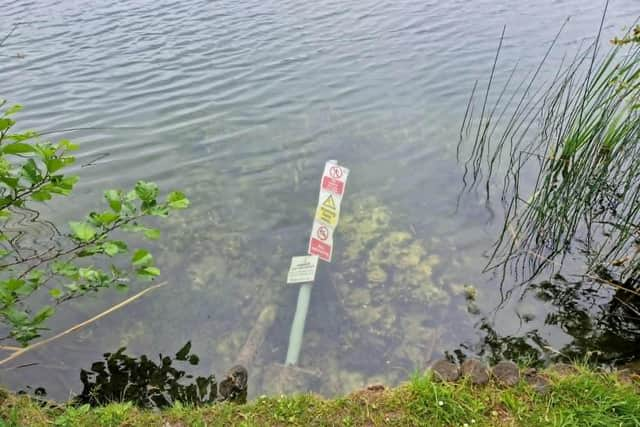
Signs warning of the dangers of swimming at a Peterborough beauty spot have been thrown into lakes – just yards away from the spot where a teenage boy drowned last year.
Jack Lloyd was just 16 when he died in a tragic accident at Crown Lakes, Farcet in April last year.
Since then, his father, Darren, has been campaigning to promote water safety – particularly with youngsters – to try and ensure similar accidents do not happen again in the future.


During the late May heatwave, more than a dozen people across the country died after getting in trouble in open water.
But now signs warning people of those dangers have been thrown into water at Crown Lakes.
While there are plenty of signs still standing around the lakes, there are concerns that people could miss the message.

Cambridgeshire Fire and Rescue Service are running a campaign to promote water safety in the county over the summer months.
Group Commander James Ball, head of Community Fire Safety, said: “It can be very tempting to jump into rivers and lakes to cool off when the weather is hot, like it has been this week. However, open water can often be much colder than expected and there can be hidden risks beneath the surface.
“We would always encourage families and young people to use supervised venues such as public swimming pools, lidos or lifeguarded beaches where possible. Lakes, rivers and reservoirs can contain hidden debris, sudden drops, strong currents and extremely cold water, even during periods of hot weather.
“One of the biggest dangers is cold water shock. Entering cold water suddenly can cause an involuntary gasp response, panic and difficulty breathing, which can quickly lead to someone getting into trouble, even if they are a confident swimmer.
“It is also important to remember that open water can be deeper than expected, with unseen hazards below the surface. Things like rubbish, shopping trolleys and rubble can be hidden beneath murky water and could easily trap or injure someone. The water may also look calm on the surface, but there may still be strong undercurrents, particularly near locks and weirs, which can pull even strong swimmers into difficulty.
“We know that despite the risks, some people may still choose to enter open water. If you do find yourself in difficulty, remember to ‘Float to Live’. Tilt your head back, keep your ears submerged and try to control your breathing. Once the effects of cold water shock begin to pass, gently move towards safety or call for help.
“If you are spending time near open water, we would also encourage people to download the what3words app. The app can provide emergency services with an exact location reference, helping crews find you quickly if somebody gets into difficulty.”
Figures show that between 2019 and 2024, 1,602 people in the UK lost their lives in accidental drowning incidents, with 56 per cent (901) occurring in inland waters such as rivers, lakes and reservoirs. Alarmingly, half of people of who drown had no intention of entering the water, with slips, trips and falls identified as a leading cause.