
Thousands of unflushables found in Peterborough sewer network - causing blockages and odours
Peterborough residents who drop ‘unflushables’ like wet wipes down the toilet are being blamed for blockages in the city sewer network.
Anglian Water has announced that its proactive work in key hotspots across the East of England has removed more than 18,000 unflushables, mainly wipes, in blockage hotspots across its sewer network since August.
The water company’s blockage reduction programme operates in areas with high blockage rates, taking a targeted operational approach to monitor the sewer network to stop blockages before they cause spills or pollution. And the need is clear: 80% of sewer flooding and 67% of pollutions are caused by wipes, fats, oils and grease (FOG) and other unflushable materials which shouldn’t be entering the sewer network.


Wipes are a major contributor to this problem. Around half a million wipes – that’s equivalent to 9,500 packets – are flushed into the East of England’s sewers every day. When flushed, wipes can mix with fats, oils, and other unflushable items, creating solid blockages because wipes don’t break down like toilet paper and can take over 100 years to decompose — even those labelled ‘flushable’ or ‘fine to flush’.
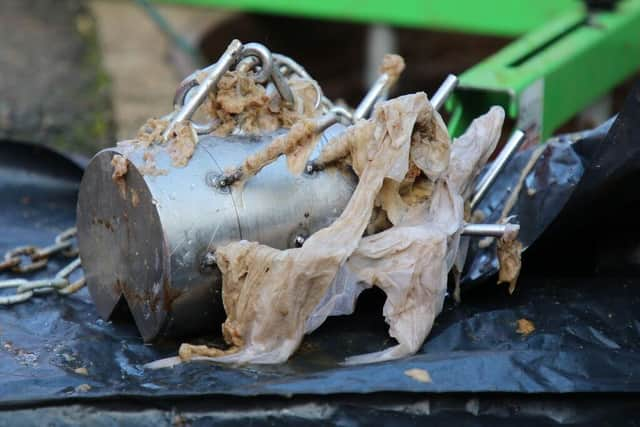
To tackle this, the water company is using innovative ‘hedgehog’ devices placed in sewers to capture wipes and other unflushable materials in pipes. Following a trial last year in Northampton where the ‘hedgehogs’ collected 14,948 unflushables in just four months, the devices have been rolled out across five new high priority hotspot areas. The results speak for themselves, with the hedgehogs collecting 18,071 unflushables across the hotspot locations in just 8 weeks since they were installed in August.
Connor Brailsford, Programme Manager at Anglian Water, said: “Stopping fats, oils, and grease at the source is one of the most effective ways to protect our environment – especially when combined with action on unflushable items like wipes.
"That’s why we’re working in blockage hotspots across our region to raise awareness and protect local communities by keeping their pipes safe from blockages. We’re really pleased that the work we’re doing is already having such significant positive impacts – but there’s always more we can do, and we need our customers’ support.”
Alongside the work in hotspot areas, engineers have been installing high-tech sewer monitors across the East of England to predict and prevent problems before they occur. This technology helps to detect problems and troublesome blockages within sewer pipes, meaning they can be found and fixed sooner, ultimately protecting the wider environment.
The system works by using weather forecasts and hundreds of sensors to pre-empt when the network may not be operating at its full capacity, usually indicating a blockage is forming. Anglian Water engineers are then alerted and can proactively clean and jet the sewer before any problems occur.
Connor added: “We’re asking everyone – businesses and customers alike – to take a moment and think before they flush or pour. If it’s not pee, poo, or toilet paper, it belongs in the bin, not the drain. Together, through initiatives like this and everyday good habits, we can protect our homes, rivers, beaches, and the environment for future generations.”