
The fascinating history of this quirky landmark on the A47 near Peterborough that you’ve probably driven past without realising
It dates back to 1750
The section of the A47 passing through Peterborough is, of course, known as Soke Parkway, before heading east through the flat Fens near Thorney.
Used by thousands of motorists each day, the road is without doubt one of the key routes in and out of Peterborough and has remained so for many decades.
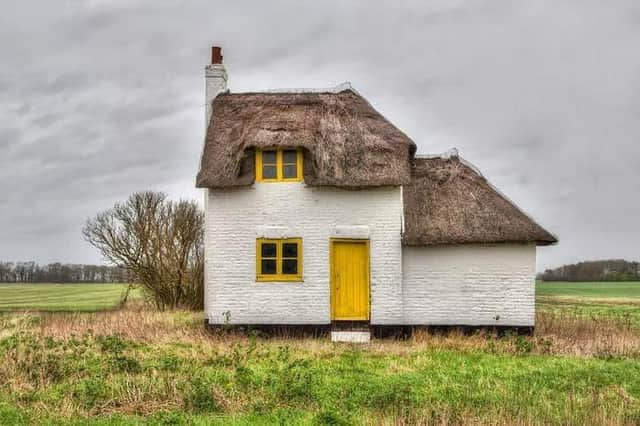

The vast majority of you reading this will have used the A47 countless times over the years, so much so that you’ve become familiar with its many landmarks and milestones.
But one landmark in particular often evades the sight of even the sharpest of drivers.
The history of Canary Cottage
Tucked away behind some farm buildings, Canary Cottage can just about be seen from the road if you knew it was there.
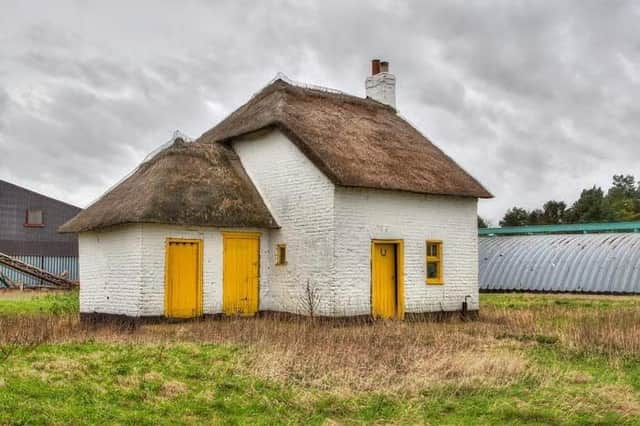
With its distinct yellow doors and whitewashed brickwork, the charming little cottage dates back to 1750, shortly after the drainage of the Fens.
In 2019 the cottage, which has not been lived in since the 1960s, was given Grade II listed status by Historic England for being a “rare surviving example of a mid-18th Century fenland cottage”.
The cottage’s yellow door and windows were painted in the early 20th century by the Dixon-Spain family who owned a number of different farms in the area. They used a colour coding scheme to identify their buildings and machinery.
Despite having not been occupied for over 60 years, the cottage remains as pretty from the outside now as it did all those decades ago.
Sadly, Canary Cottage sits on private land and cannot be accessed by the public, but next time you’re on that isolated stretch of the A47 near Thorney, keep an eye out for a tiny yellow and white cottage in the distance.