
New walking trail to be opened through wildlife haven in the John Clare countryside near Peterborough

A new trail through a wildlife haven in the John Clare countryside near Peterborough is set to be officially opened.
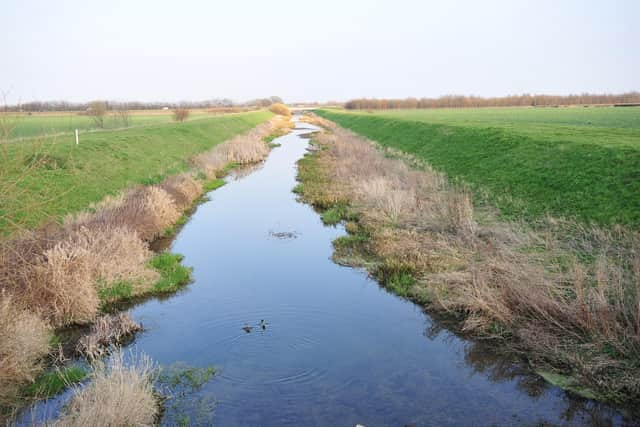
The new route takes walkers through the Maxey Cut and features viewing points and six information points to help people discover more about the history of the Cut, its role in flood defence and the thriving natural world around it.
The official opening will take place on May 1 at 11am with the work funded by the Environment Agency, and the information boards designed and installed by the Langdyke Countryside Trust.
The event is open to everyone and will take place in the car park just north of the bridge over the Cut on the Etton-Maxey Road.

Richard Astle, chair of the Langdyke Countryside Trust, said: “One of the aims of the John Clare Countryside project is to encourage people to learn about and appreciate the heritage, both natural and built, of the landscape west of Peterborough.
"Thanks to the support of the Environment Agency, we have been able to develop this trail and improve access.
"We hope more people will visit and appreciate the beauty and tranquillity of the area.”
The information trail stretches along the length of the Cut from the railway crossing at Lolham Bridges to Nine Bridges in the West.
The boards describe the history of the land, ranging from the Bronze Age settlements, through to the construction of the Cut itself in the 1950s.
Two new sets of steps help walkers descend from the banks of the Cut into specially designed viewing points over the Langdyke Trust’s Christ’s College Nature Reserve.
New off-road parking has separately been put in place on the Langdyke reserve at Etton Maxey Pits, just north of the bridge over the Maxey-Etton road.
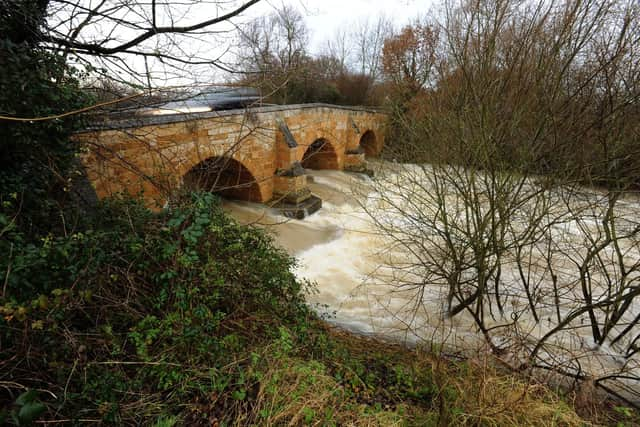
The Maxey Cut, which was created in the mid-1950s, is a vital flood relief channel protecting the Deepings from the flood waters of the Welland.
Before its construction the surrounding area was regularly flooded and virtually impassable during winter.
It continues to provide this important function but is also now a popular spot for walkers and a haven for wildlife.
The two reserves provide a home for rare insects such as Glow Worm as well as Barn Owls, grebes, herons and many species of wildflower.
The Cut itself teams with fish such as Sea Trout, Eel and Chubb.
Archaeologist Francis Pryor led excavations near the Cut between 1982 and 1987 and uncovered a significant Neolithic causewayed enclosure dating back to the fourth millennium BC.
Within the enclosure, numerous ritual pits were discovered, containing deliberately placed items such as smashed pottery, flint tools, and animal bones.