
Bretton trees to be removed by Peterborough City Council over Ash Dieback fears


Council says a small number of trees are being removed
Work is being carried out to protect the health of trees in Peterborough – by removing a small number threatened by disease.
This week works are being carried out at Bretton Woods to remove several ash trees, to help combat the spread of Ash Dieback.
A spokesperson for Peterborough City Council said: “A small number of ash trees that present a serious risk to the health and safety of those using Bretton Woods will be removed from Monday.
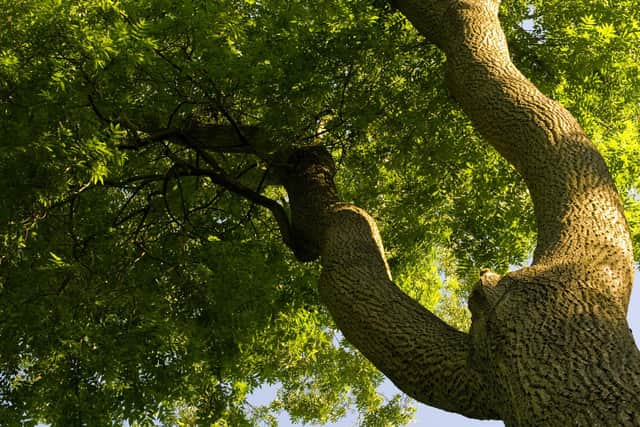
“The works will happen ahead of a wider Woodland Management Plan to combat the spread of Ash Dieback later this year, which includes replanting with native trees.
“Last year we asked residents to have their say on these plans with almost 70 per cent of those who responded agreeing to them.”
Residents were asked about the plans earlier in the winter.
At the time, Councillor Angus Ellis, cabinet member for the environment and transport at Peterborough City Council, said: “We have been monitoring the spread of Ash Dieback at Bretton Woods since 2013. It’s a particular concern in this area as Ash trees make up the majority of all three woods.
“Action needs to be taken as it is likely that the woods will become too dangerous for public access. Alternatives approaches to those specified within the plan would potentially have a significant landscape impact or significantly restrict public access to the site alongside causing a marked deterioration of wildlife habitats within the woods.”
The Woodland Trust website says: “Ash dieback can affect ash trees of all ages. Younger trees succumb to the disease quicker but in general, all affected trees will have these symptoms:
– Leaves develop dark patches in the summer.
– They then wilt and discolour to black. Leaves might shed early.
– Dieback of the shoots and leaves is visible in the summer.
– Lesions develop where branches meet the trunk. These are often diamond-shaped and dark brown.
– Inner bark looks brownish-grey under the lesions.
– New growth from previously dormant buds further down the trunk. This is known as epicormic growth and is a common response to stress in trees.”