
Anglian Water find scissors, shoes and a watering can in region's sewers
Some of the strangest things found in sewers in the region have been revealed – and have even included hair straighteners, bottles and shoes!
Anglian Water has revealed some of the oddest things they have recovered from its sewers this year as it warns about the growing impact of sewer misuse across the region.
Across Anglian Water’s 76,000km of sewer pipes, teams have recovered a host of strange items this year, including clothes, spoons, bottles, scissors, shoes, watering cans, hair straighteners and even a £5 note. These items create serious problems as they combine with other unflushable items, such as wet wipes and sanitary products, along with fats, oils and grease to form stubborn blockages.
Anglian Water’s dedicated teams find and clear roughly 35,000 blockages a year so, they are trying to raise awareness that flushing anything other than pee, poo and paper down toilets and plugholes has a real impact on the infrastructure local communities rely on every day.
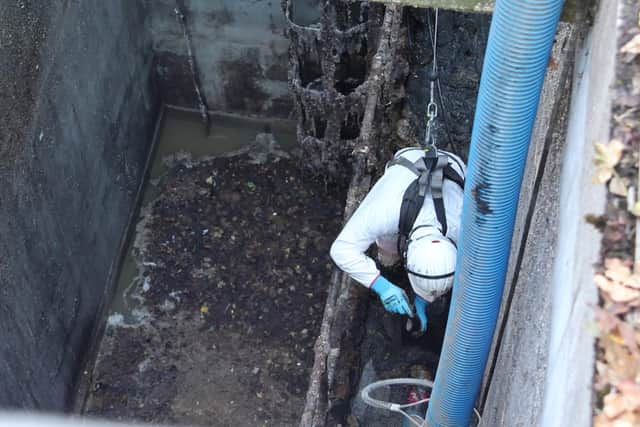

Wet wipes remain one of the biggest causes of sewer blockages, with an estimated 500,000 wet wipes flushed down the loo in Eastern England every day – the equivalent of nearly 10,000 packets of unflushable wipes.
Unlike toilet paper, wet wipes don't break down in water and can take over 100 years to decompose – even those labelled as 'flushable'.
Ninety per cent of wipes contain some amount of plastic. That’s why Anglian Water has welcomed new legislation in England banning the sale of wet wipes containing plastic from May 2027 as a positive step in combating plastic pollution in the environment. Anglian Water is also calling for the end to 'flushable' claims on wet wipe packaging altogether, as a 2025 survey of Anglian Water customers revealed that around 72% of people would flush wipes labelled 'fine to flush'.
Lizzie Frost, Water Recycling Network Director at Anglian Water, said: "Along with record breaking investment, Anglian Water is working closely with communities through the Just Bin It campaign to change behaviours and reduce avoidable blockages by asking customers to think twice about what goes down toilets and plugholes to help prevent blockages and protect the environment."