
Peterborough is a city packed with history, with some historical sites such as the Cathedral dating back hundreds, if not thousands of years.
Those who have called the city home for some time may have visited these landmarks on countless occasions, but despite that their sense of importance and grandeur remains.
Peterborough’s position in the East of England, near to counties such as Norfolk and Northamptonshire, speaks for itself in terms of historical significance.
With important Iron Age, Roman and Saxon sites close by, locals are never too far away from some pretty fascinating places.
While some of these sites are now looked after by groups such as Historic England and the National Trust and attract thousands of visitors each year, others get far less attention.
Summer is the perfect time to get outside and explore the hidden history surrounding Peterborough - it’s just a case of knowing where to start.
We’ve drawn upon all of our local knowledge to pick out eight mysterious and unusual landmarks in and around Peterborough that you should visit during summer 2026.
Discover them below:
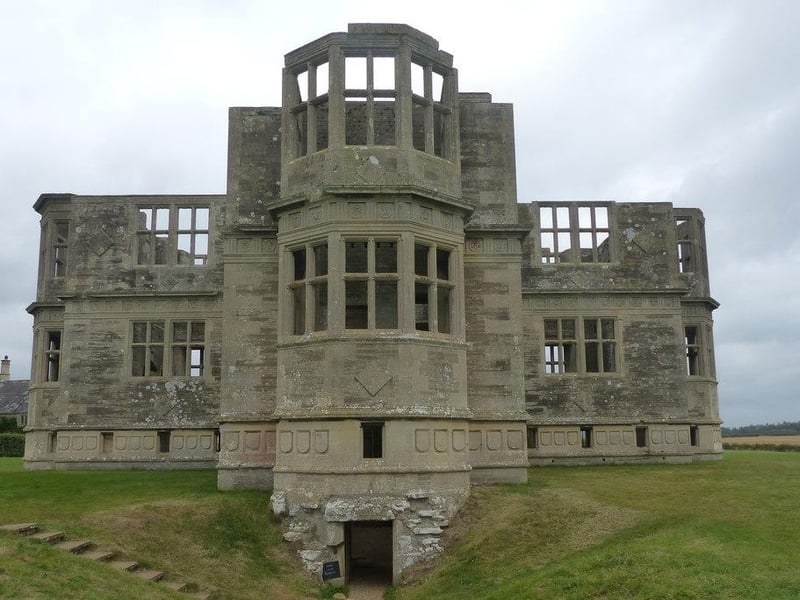
1. Lyveden New Bield
Lyveden New Bield, located in Northamptonshire, is an unfinished Elizabethan summer house and moated garden commissioned by Sir Thomas Tresham in the late 16th century. It was abandoned in 1605 after Tresham's death. The house has remained unfinished for more than 400 years and is now managed by the National Trust. Photo: Chris Gunns
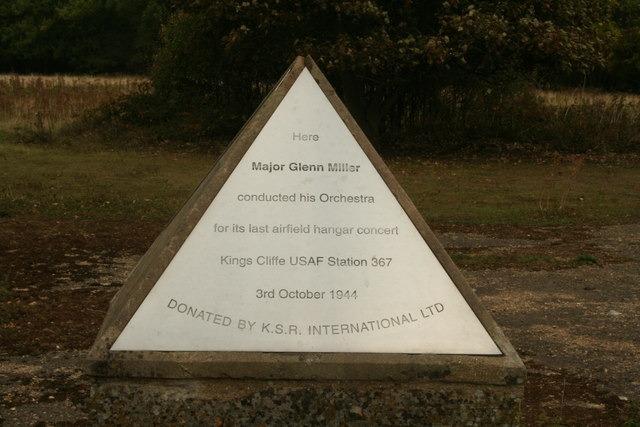
2. Glenn Miller Memorial
The Glenn Miller Memorial commemorates American big-band leader Major Alton Glenn Miller, who brought joy to troops and civilians during WWII before vanishing mysteriously. Located at the former RAF King’s Cliffe airfield near Peterborough, the memorial marks the exact spot where he and his orchestra played their final airfield "hangar concert" on October 3, 1944 Photo: Chris Lowe
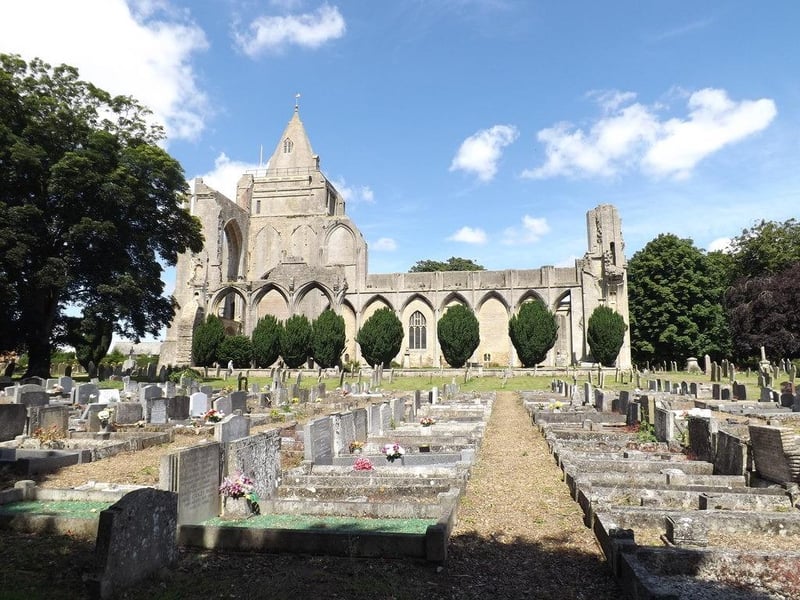
3. Crowland Abbey
A Grade I-listed medieval Benedictine monastery , Crowland Abbey is a site of national importance. Founded in the 8th century on the hermitage site of St. Guthlac, it grew into a wealthy abbey but was devastated by fires, Danish raids, and the Dissolution. Photo: Geograph
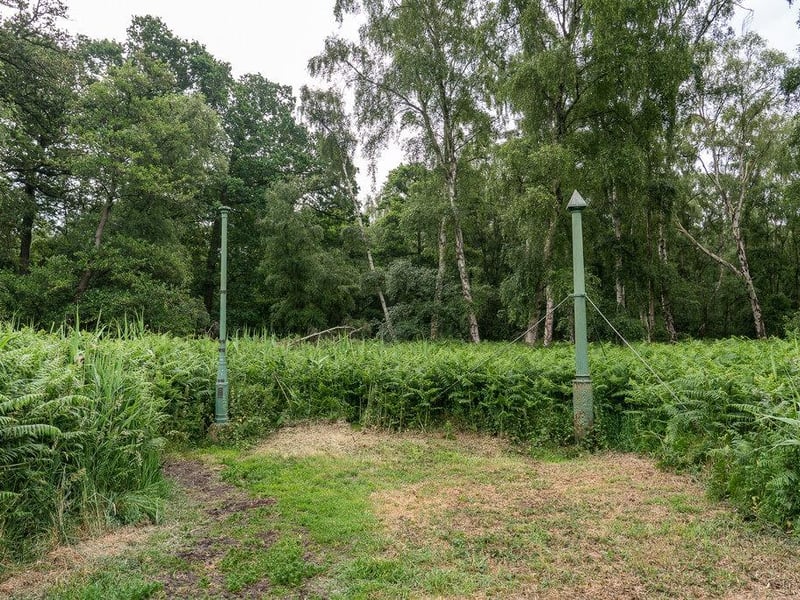
4. Holme Fen Posts
Holme Fen Posts were erected in 1848 to record the peat shrinkage. The base of the post was embedded in the clay layer that underlies the peat and the top of the post was cut off level with the soil surface. Today approximately 4 metres of the post is showing above ground recording the ground subsidence since 1852. Photo: Brian Deegan