

Peterborough is a city packed with history, with some historical sites such as the Cathedral dating back hundreds, if not thousands of years.
Those who have called the city home for some time may have visited these landmarks on countless occasions, but despite that their sense of importance and grandeur remains.
Peterborough’s position in the East of England, near to counties such as Norfolk and Northamptonshire, speaks for itself in terms of historical significance.
With important Iron Age, Roman and Saxon sites close by, locals are never too far away from some pretty fascinating places.
While some of these sites are now looked after by groups such as Historic England and the National Trust and attract thousands of visitors each year, others get far less attention.
Summer is the perfect time to get outside and explore the hidden history surrounding Peterborough - it’s just a case of knowing where to start.
We’ve drawn upon all of our local knowledge to pick out eight mysterious and unusual landmarks in and around Peterborough that you should visit during summer 2026.
Discover them below:
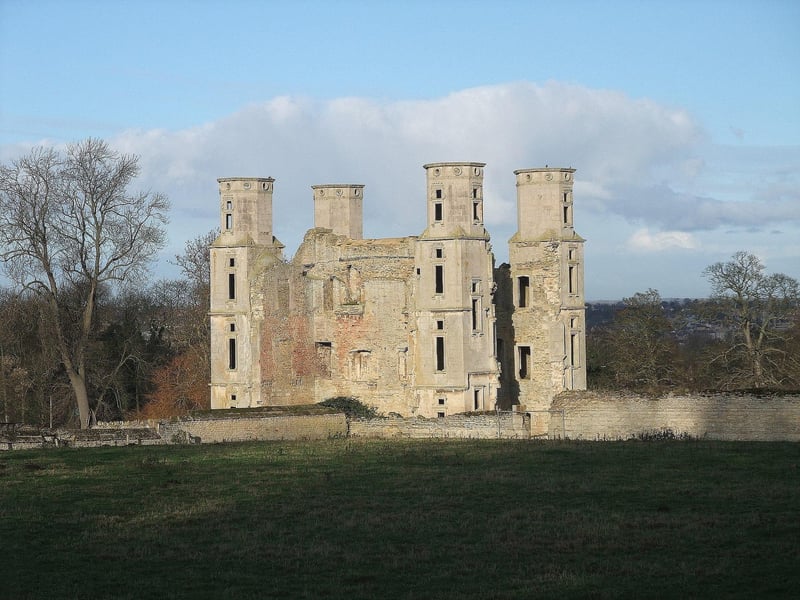
5. Woodthorpe Towers
Wothorpe Towers are the Grade I-listed ruins of a 17th-century "prodigy lodge" near Stamford, designed by Thomas Cecil, 1st Earl of Exeter, as a pleasure retreat. Built around 1615–1623, the unique Greek cross structure was used as a fashionable lodge and later a dower house for nearby Burghley House before being partially demolished in 1790. Although the privately-owned site is not accessible to the public, some great views can be found on nearby Warren Road. Photo: Tim Heaton
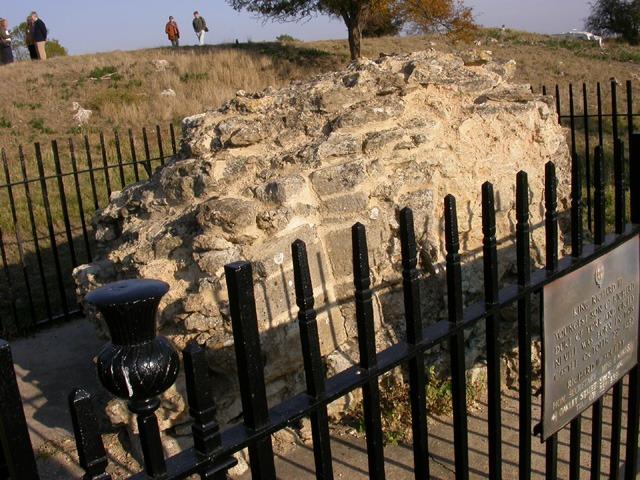
6. fringha.jpg
Just a stone’s throw from the church is the remains of Fotheringhay Castle - an 11th century Norman motte-and-bailey fortress of national significance. As well as being the birthplace of King Richard III, the castle was the location of Mary, Queen of Scots’ trial and execution in 1587. Today only a small section of the castle’s masonry remains intact, which visitors can find to the very east of the village. Photo: Kokai
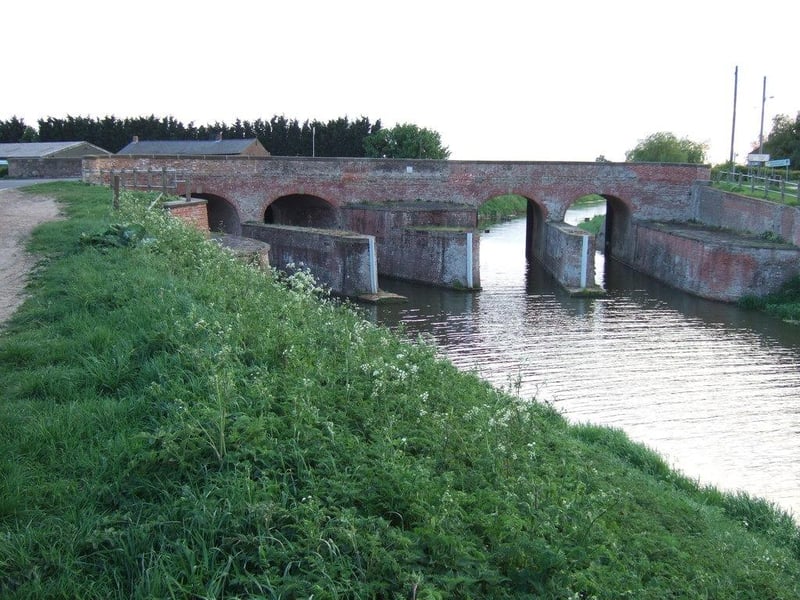
7. Clough's Cross double bridge
The double bridge at Parson's Drove joins Cambridgeshire to Lincolnshire. At this point the North Level Main Drain splits into two. The structure, which acts as both a bridge and a sluice, was built in the 1830s for drainage purposes. It was listed by Historic England in 1983. Photo: Richard Humphrey
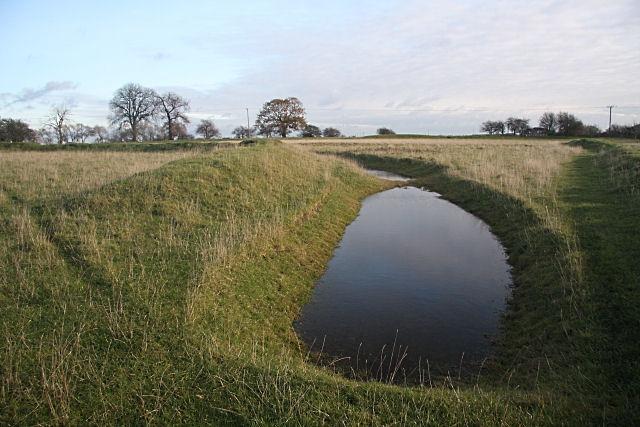
8. Stonea Camp
Recognised as the lowest hill fort in England, Stonea Camp dates back to the Iron Age. Situated just two metres above sea level, Stonea is believed to be the site of a major battle between the conquering Romans and the Iceni tribe. The site, located near Wimblington, can easily be explored on foot. Photo: Bob Jones