
While Peterborough itself has undergone many notable changes over the centuries, the same cannot be said for the many villages surrounding the city.
Many such tiny settlements - particularly around the Fens - originated as farming villages hundreds of years ago.
The Domesday Book of 1086 remains the best record of society nearly 1,000 years ago.
Commissioned by William the Conqueror in 1085, the book was a comprehensive survey of England's landholders, their estates, and the resources that went with them.
From this, we can compare how much - or how little, as the case may be - Peterborough’s surrounding villages have changed in nearly a millenia.
Some settlements included in the book have long since disappeared, while others continue to thrive to this day, albeit under different names.
These local villages are best explored over the summer, when visitors can take their time to get a genuine feel for how life was hundreds of years ago.
We’ve picked out eight medieval villages near Peterborough that have barely changed in nearly 1,000 years - and why you should visit them this summer.
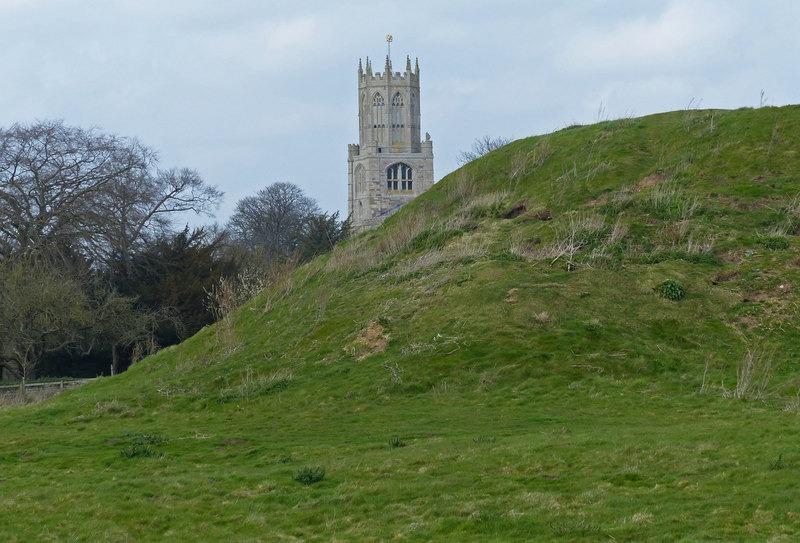
1. Fotheringhay - named as Fodringeia in the Domesday Book
Situated west of Peterborough on the banks of the River Nene, Fotheringhay is best known for its church, All Saints, which stands dominant above the flat landscape. The impressive building was rebuilt between 1411 and the 1430s as a college of priests. The remains of Fotheringhay Castle - founded around 1100 - can still be found in the village. Photo: Mat Fascione
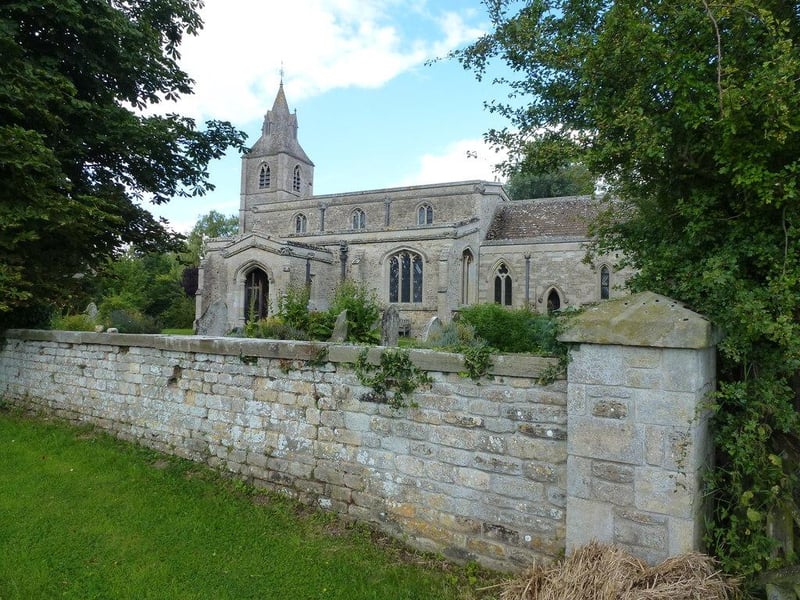
2. Luddington-in-the-Brook - named Lullintone and Lolinctune in Domesday Book
Luddington-in-the-Brook comprises just three roads, with a handful of homes making a dent in the otherwise barren skyline. Having barely changed over hundreds of years, it’s perhaps little wonder that Luddington appears in the Domesday Book of 1086. At that time, the village was recorded under the names Lullintone and Lolinctune. Luddington contained a total of 14 households in 1086 and was located in the hundred of Polebrook. The village church, St Margaret’s, dates back to the 13th century and was grade II listed by Historic England in 1967. Photo: Richard Humphrey
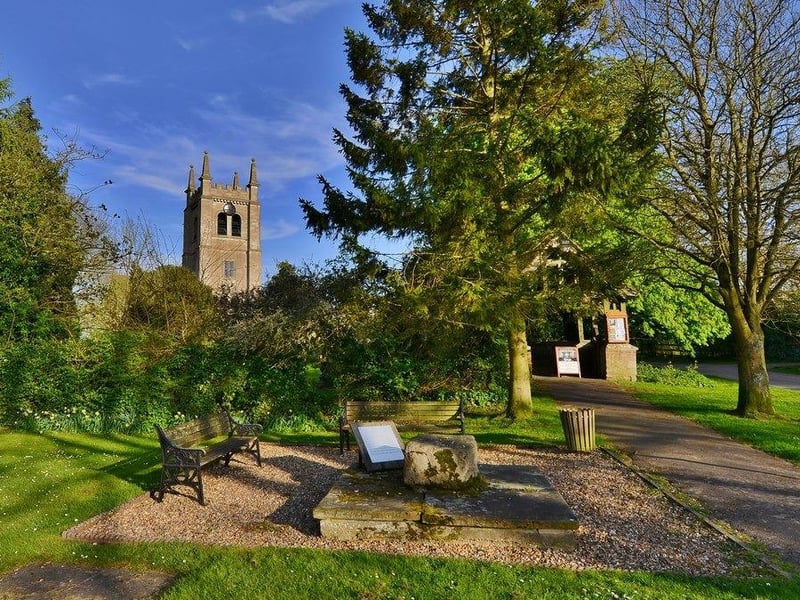
3. Leighton Bromswold - named as Lectone in the Domesday Book
Located north-west of Huntingdon, the tiny village is surrounded by miles of rolling fields and nothing more. The village, which comprises just four roads, was mentioned in the Domesday Book of 1086 and had 39 households at that time. It’s fair to say that Leighton Bromswold hasn’t particularly changed over the past 940 years, with the village remaining a small, agriculturally-focused place for nearly a millennium. Despite its diminutive size, in true English fashion the village still features a thriving pub, The Green Man. Dating back to the 19th century, the traditional low-beam pub is a must-visit for those exploring all Leighton Bromswold has to offer. The village church, St Mary’s, has stood in the village since 1248. Photo: Michael Garlick
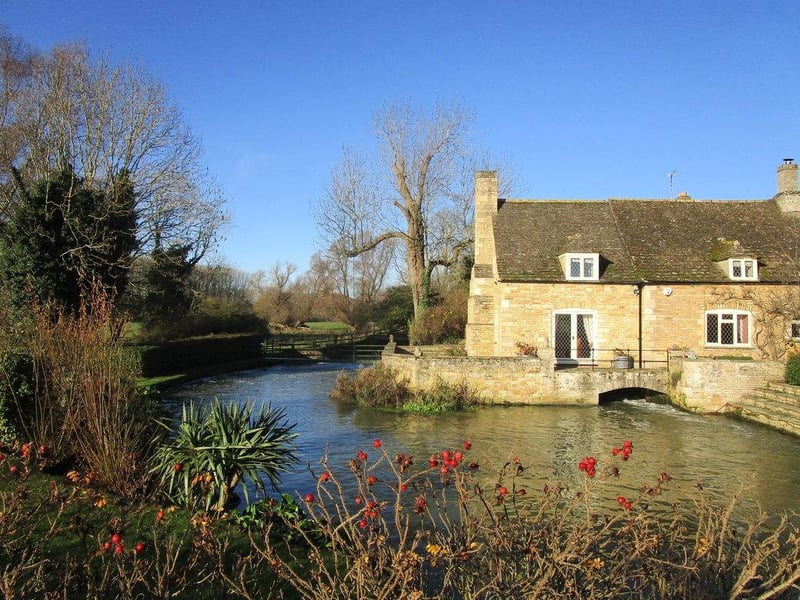
4. Woodnewton - named as Niewtone in the Domesday Book
Located a few miles west of Peterborough, the village is home to just a few hundred residents and consists of just a handful of roads. Packed with stunning stone cottages, it’s easy to see why Woodnewton’s architecture has drawn comparisons to the Cotswolds. A visit to Woodnewton would not be complete without a pit-stop at the village pub, The White Swan. Housed within a beautiful 18th century stone building, The White Swan is your typical country pub offering refreshing drinks and tasty traditional grub. Running parallel to the village is Willow Brook, a tributary of the River Nene starting in Corby and ending in Elton. Photo: Jonathan Thacker