
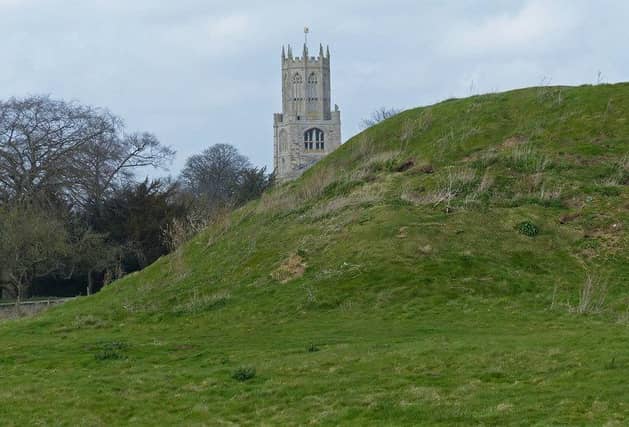

While Peterborough itself has undergone many notable changes over the centuries, the same cannot be said for the many villages surrounding the city.
Many such tiny settlements - particularly around the Fens - originated as farming villages hundreds of years ago.
The Domesday Book of 1086 remains the best record of society nearly 1,000 years ago.
Commissioned by William the Conqueror in 1085, the book was a comprehensive survey of England's landholders, their estates, and the resources that went with them.
From this, we can compare how much - or how little, as the case may be - Peterborough’s surrounding villages have changed in nearly a millenia.
Some settlements included in the book have long since disappeared, while others continue to thrive to this day, albeit under different names.
These local villages are best explored over the summer, when visitors can take their time to get a genuine feel for how life was hundreds of years ago.
We’ve picked out eight medieval villages near Peterborough that have barely changed in nearly 1,000 years - and why you should visit them this summer.
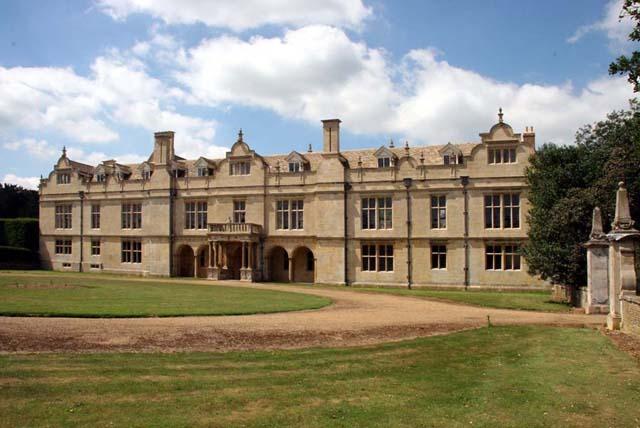
5. Apethorpe - named as Patorp in the Domesday Book
Just 11 miles west of Peterborough, the village is home to under 200 people and can be traced back to the Domesday Book of 1086, when it was known as Patorp. The number of roads comprising Apethorpe can be counted on one hand, but in true English fashion the village still finds room to fit in a pub. The King’s Head, in Kings Cliffe Road, is your typical low-beam pub which replaced the old Westmoreland Arms when it was demolished at the start of the 20th century. On the other side of the village (a few hundred yards away) visitors will find St Leonard’s Church, which dates back to the 14th century. Every property in the picture-postcard village is made from stone, meaning visitors could easily confuse them for those found in the Cotswolds. The jewel in the village’s crown is without doubt Apethorpe Palace, described by English Heritage as one of England’s greatest stately homes. A former royal residence, the building was owned by Henry VIII and then Elizabeth I. Photo: Rob Dixon
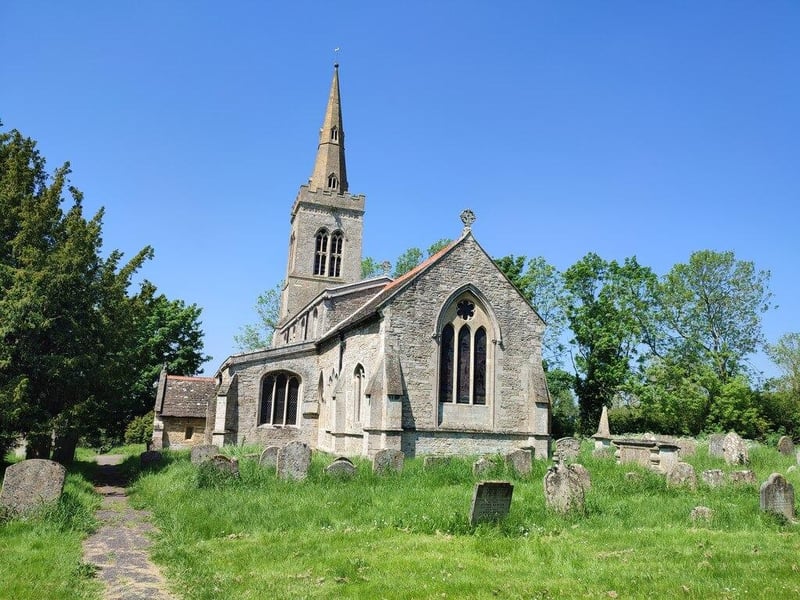
6. Great Gidding - named as Geddinge, Gedelinge, and Redinges in the Domesday Book
Located a few miles west of Sawtry, Great Gidding is the largest of the three nearby Gidding villages, the other two being Little Gidding and Steeple Gidding. The village itself comprises just a handful of roads, a community hall, a pub and a church. In many ways, Great Gidding is an example of the archetypal English village; a place free of large housing developments or industrial estates. Great Gidding’s population may have swelled slightly since the time of the Domesday Book in 1086, when just 80 households were recorded, but the village has maintained its soul over the centuries since. Photo: AJD
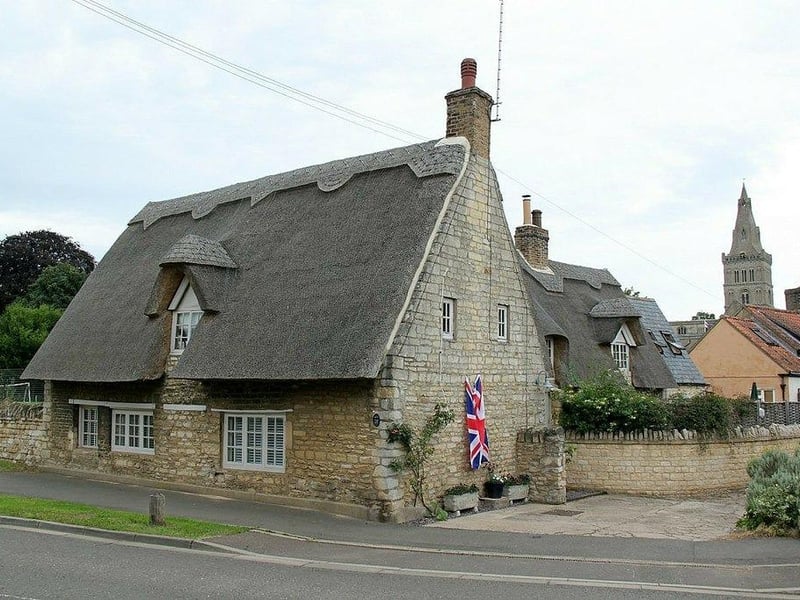
7. Castor - named as Castre in the Domesday Book
One of the most historically important villages near Peterborough, Castor is best known for its Roman links. Castor Praetorium was a huge Roman building which stood proudly on high ground on the northern edge of the Nene Valley. Built in 250AD, it was one of the largest Roman buildings in England. The herring bone foundations of the Praetorium can still be seen. Photo: AMR
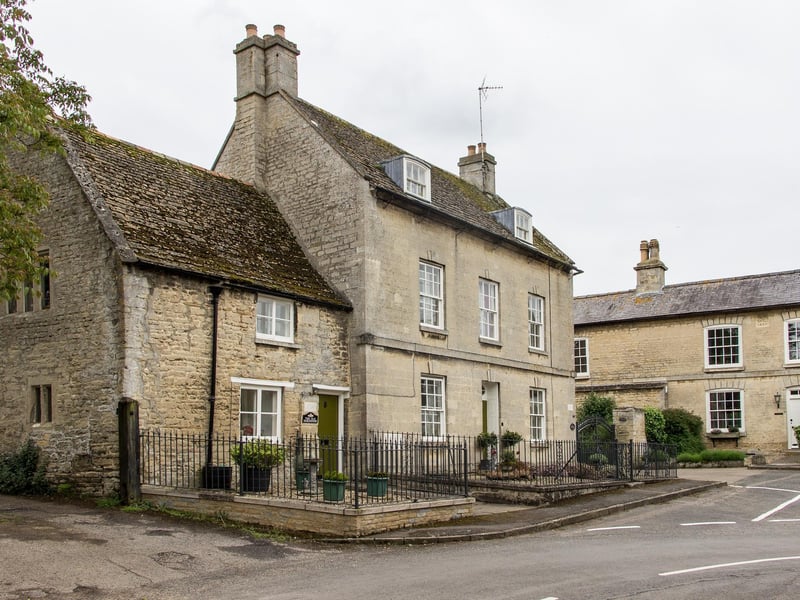
8. Barnack - named as Bernac in the Domesday Book
Home to just over 1,000 people, the village of Barnack is located between Stamford and Peterborough. The village is famous for three things: its limestone industry, its church and an unusual early Bronze Age burial. The limestone, known as Barnack Rag, was a valuable building stone first exploited by the Romans. Quarrying continued in Medieval times when the Abbeys at Peterborough, Crowland, Ramsey, Sawtry, Thorney, Ely and Bury St. Edmunds all used Barnack stone. In 1974, a Bronze Age burial site was unearthed in the village. Photo: Billy Wilson