

Peterborough itself has a fascinating backstory with sites such as the Cathedral and Flag Fen, but the area surrounding the city is equally as intriguing with thousands of years of history.
Perhaps the best example of this is the Fens, an area we know today for its rich marshland and biodiversity.
The Fens’ modern form was created after being drained throughout the 17th century, but the wetland’s history dates back as far as the Roman period.
The Romans constructed the Fen Causeway across the Fens to link what later became East Anglia with central England.
The Romans' rule of Britain ended in 410, and over the centuries that followed groups such as the Vikings and Saxons made their mark on Peterborough and the surrounding area.
Detailed insights into life around Peterborough are few and far between, but the Domesday Book of 1086 remains the best record of society nearly 1,000 years ago.
Commissioned by William the Conqueror in 1085, the book was a comprehensive survey of England's landholders, their estates, and the resources that went with them.
Many of the towns and villages recorded in the Domesday Book still exist today, but in many cases their names have evolved over time.
Nearly 10 centuries on since the book was written, we’ve taken a look at the villages near Peterborough that still exist - but under a different name.
Discover them below:
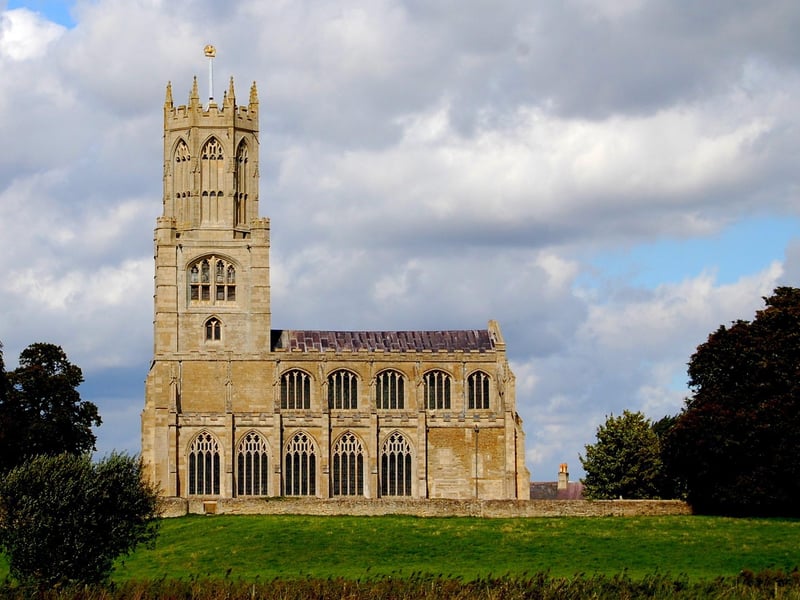
5. Fotheringhay
At the time of the Domesday Book in 1086, Fotheringhay was called Fodringeia. Its name derived from a clearing in the woods made for the purpose of producing hay. Photo: theroadislong
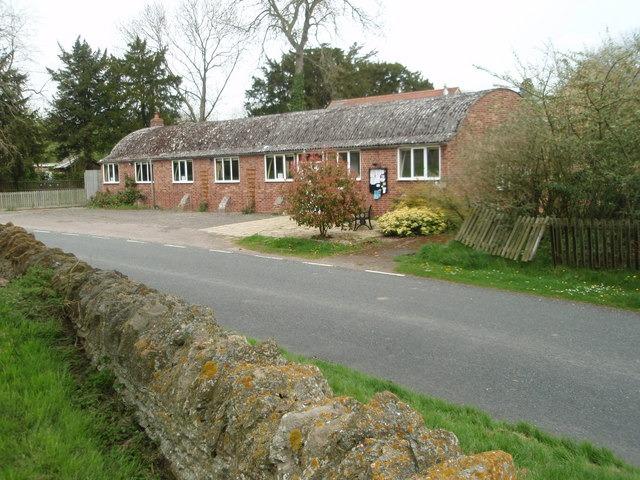
6. Glatton
At the time of the Domesday Book in 1086, modern day Glatton was known as Glatune. It had 35 households at that time. Photo: Michael Trolove