
Political View: A bus pass that works around people’s lives
“When transport is expensive or difficult to access, it can become another barrier to opportunity.”
From all my conversations with residents, I know the single biggest issue people face continues to be the cost of living, writes North West Cambridgeshire MP Sam Carling.
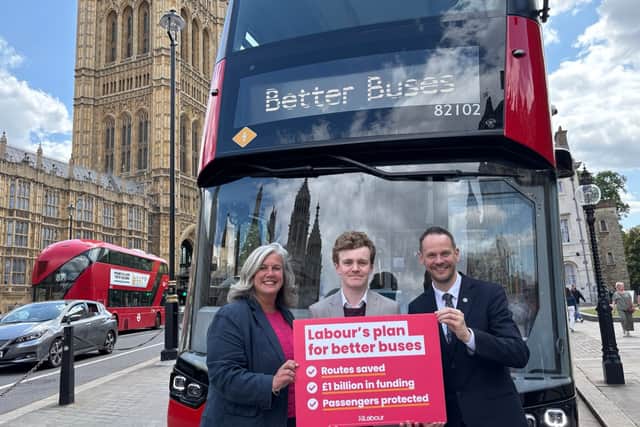

Over the summer, we’ve had lots of measures announced - such as a national £2 bus fare cap, removing VAT on energy bills, and cutting business rates for pubs, clubs and live music venues - which show that this Labour Government, under new Prime Minister Andy Burnham, understands that. We’re bringing in changes that make things easier for households and businesses in the short term while working on long-term solutions. Another example of this is free bus travel for disabled people.
For disabled people, a bus pass can be a passport to independence. Data shows that people with disabilities are more likely to rely on buses, while making significantly fewer journeys overall. Removing the time restrictions on free travel could therefore take away one of the practical and financial barriers that can limit people’s independence, and help more disabled people to access work, study or other opportunities.
That is why I welcome the Labour Government’s announcement that, from 1st April 2027, eligible disabled people across England will be able to use their concessionary bus passes for free at any time of day.
Right now, the national scheme limits free travel for disabled pass holders to between 9.30am and 11pm on weekdays, unless a local authority fund extended hours. That means someone whose shift starts early, who needs to attend an appointment before 9.30am, or who is travelling home late can find that their bus pass does not provide the support they need.
The change will mean that, from next April, eligible pass holders can travel for free 24 hours a day, seven days a week. The Government is providing £60 million to remove the restrictions across England and, importantly, to end the postcode lottery whereby the support available can depend on where you live.
For communities like ours, where buses are a vital part of getting around, that matters. We know how important reliable public transport is for connecting people to jobs, colleges, shops, healthcare and community facilities. When transport is expensive or difficult to access, it can become another barrier to opportunity.
If a disabled person wants to take up a job with an early start, attend a course, visit friends or get to an evening appointment, their bus pass should work for them. It shouldn’t matter whether they live in one part of the country or another.
Of course, free travel is only genuinely useful if there is a bus to catch in the first place. We must continue working to improve the reliability, frequency and accessibility of local services.
But removing the time restrictions on disabled bus passes is a significant step forward. It recognises an important principle: disabled people should have the same freedom to get around, take up opportunities and participate in community life as everyone else.
That is what good public transport should be about – opening doors, not putting up barriers.