
E-scooter seized after woman spotted riding with child on board in Peterborough
A woman had her e-scooter seized after she was spotted riding with a small child on board in Peterborough.
Police said they had received a number of complaints about the ‘manner of the woman’s driving’ before taking the action at the Chadburn Centre in Paston.
A spokesperson for Cambridgeshire Police said: “Neighbourhood officers were at the Chadburn Centre in Paston when they saw a woman riding an e-scooter with a small child onboard!
“We had received numerous complaints from residents about the woman’s manner of riding and she had also been involved in a fail to stop collision involving a child in April.
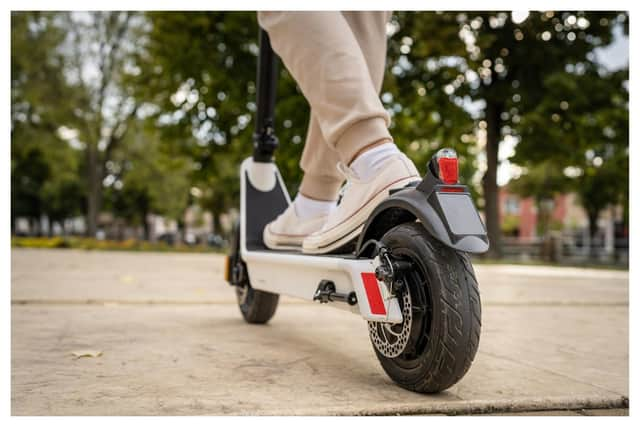

“The scooter has been seized and the woman will be reported for the offences.
“We remain committed to tackling your concerns about the use of e-scooters across the city and will continue to seize and educate riders when possible.”
What the law says
It is only legal to use E-Scooters in a small number of scenarios.
Electronic scooters, more commonly known as e-scooters, are a form of ‘powered transporter’ which is a term used to cover a variety of novel and emerging personal transport devices powered by a motor. Other forms of powered transporters include Segways, hoverboards, go-peds (combustion engine-powered kick-scooters), powered unicycles, and u-wheels.
Given how powered transporters are motorised and designed, they fall within the legal definition of a ‘motor vehicle’, therefore laws that apply to motor vehicles also apply to powered transporters.
It is illegal to use them:
1: On a public road without complying with a number of legal requirements including insurance; conformity with technical standards and standards of use; payment of vehicle tax, licensing, and registration; driver testing and licensing; and the use of relevant safety equipment
2: Some of the same restrictions set out above apply to other spaces which are accessible to the public, such as car parks, public squares which are not restricted to pedestrian use, privately-owned roads, industrial estates, and university campuses
3: In spaces set aside for use by pedestrians, cyclists, and horse-riders; this includes on pavements, in cycle lanes and on bridleways or restricted byways. On a pavement, there are special legal exceptions for mobility scooters and wheelchairs
It is legal to use them:
1: On private land with the land owner’s permission
2: As part of a government trial
Penalties for illegal use:
Breaches of the law relating to motor vehicle use are generally criminal offences enforced by police
The potential penalties depend on the nature and gravity of the offence, and sentences range from fines and penalty points, to disqualification from driving
Those using powered transporters dangerously or under the influence of drink or drugs can also be convicted of offences leading to imprisonment. Offences related to the standard of driving and speeding also apply