
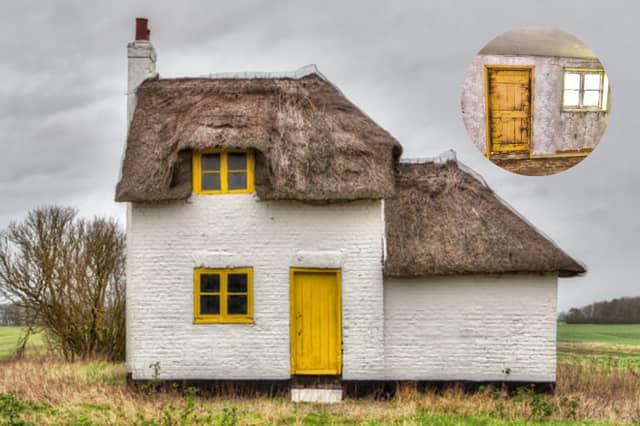

Many of us know the tell-tale signs to look out for when returning home to Peterborough after time away from the city.
These little indicators, no matter how big or small, are guaranteed to make you think ‘ah, I’m nearly home’.
Those returning from the north on the A1 will notice signs for Burghley House as Peterborough creeps into view, while those arriving from the west will know they’re nearly home after passing Etton Hall.
But for those driving back to Peterborough along the A47, one brightly-coloured landmark lets them know that home isn’t far away.
We are, of course, talking about the iconic Canary Cottage - although chances are you probably know it by a different name.
Readers will no doubt be able to recall their parents pointing out the cottage - just east of Thorney - on trips to the Norfolk coast.
For many, day trips to Great Yarmouth or Cromer wouldn’t be complete without passing ‘that tiny little yellow cottage’.
With its distinct yellow doors and whitewashed brickwork, the charming little cottage dates back to 1750, shortly after the drainage of the Fens.
Known by a host of other names, including ‘The mustard pot cottage’, ‘pixie house’, ‘fairy house’ and ‘Carol’s cottage’, the tiny property was last occupied in 1965.
In 2019, the cottage was given Grade II listed status by historic England for being a “rare surviving example of a mid-18th Century fenland cottage”.
The cottage’s yellow door and windows were painted in the early 20th century by the Dixon-Spain family who owned a number of different farms in the area. They used a colour coding scheme to identify their buildings and machinery.
The cottage sits on private land and cannot be accessed by members of the public, but a few years ago Peterborough Image Archive’s Paul Young was invited inside to take some photographs.
With 61 years having passed since the cottage was last occupied, Paul’s brilliant photos provide a rare glimpse into what has become a 1960s time capsule.
Take a look in the gallery below:
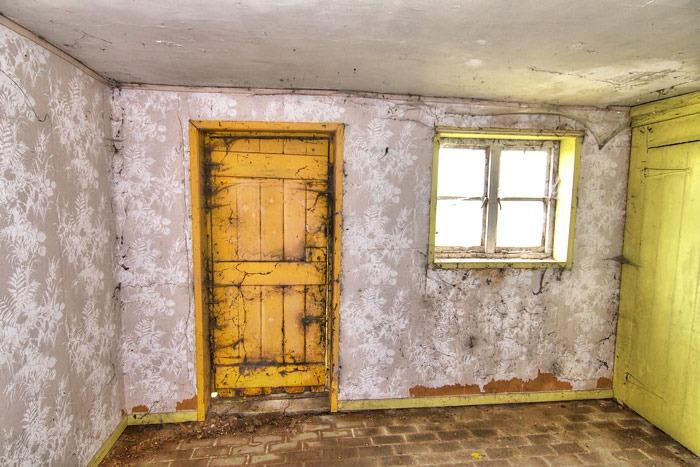
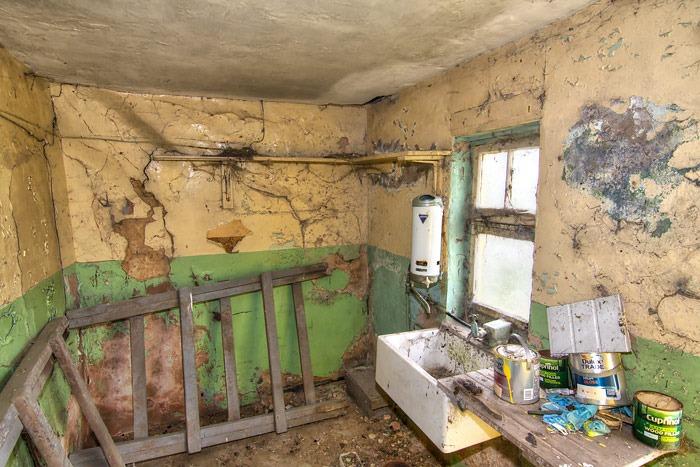
2. Inside Canary Cottage
The cottage was Grade II listed by Historic England in 2019 Photo: Paul Young
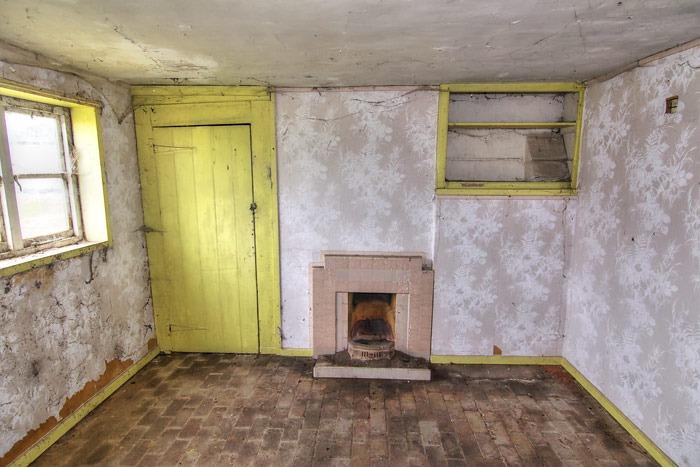
3. Inside Canary Cottage
The cottage was home to many generations of farm workers Photo: Paul Young
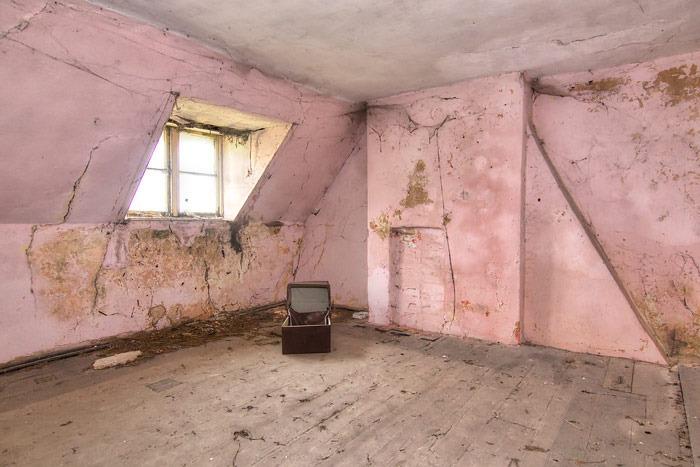
4. Inside Canary Cottage
The cottage has become a cult landmark along the A47 Photo: Paul Young