
If you fancy yourself as something of a history buff, there are few better cities to explore than Peterborough.
From the 800-year-old Cathedral to 14th century Longthorpe Tower, each corner of the city boasts a unique and fascinating history.
As intriguing as Peterborough is when it comes to history, it’s worth remembering that there are some very important archaeological sites nearby.
Given that Peterborough is located a short distance from Lincolnshire, Norfolk and Northamptonshire - three historic counties in their own right - it’s perhaps unsurprising that there are dozens of internationally significant sites so close to the city.
Some sites were uncovered by chance, while others were discovered thanks to the painstaking efforts of archaeologists.
Here are five of the most important archaeological sites near Peterborough:
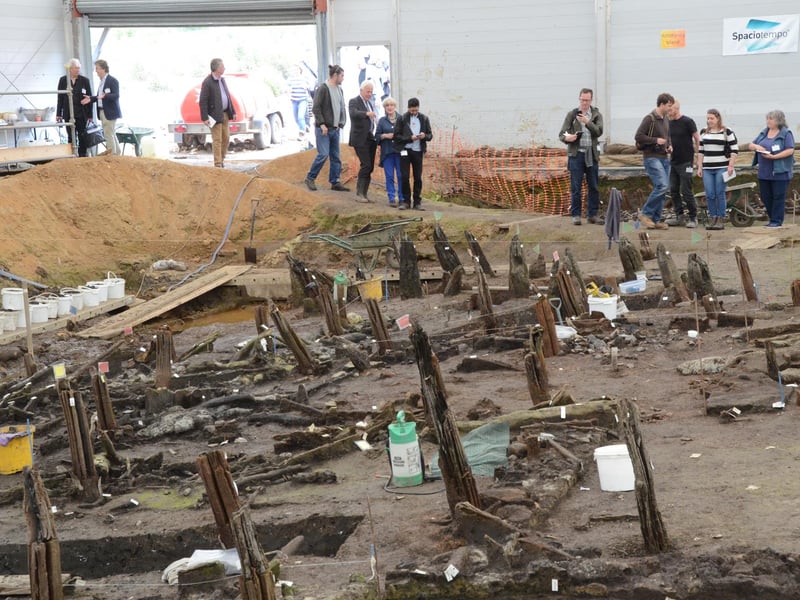
1. Must Farm
Often referred to as 'Britain's Pompeii', Must Farm an exceptionally well-preserved Late Bronze Age settlement between Peterborough and Whittlesey. In 1999 decaying timbers were discovered protruding from the southern face of the brick pit at Must Farm. Investigations in 2004 and 2006 dated the timbers to the Bronze Age and identified them as a succession of large structures spanning an ancient watercourse. The Must Farm settlement archive includes weapons, textiles, beads, fish traps, cooking items, and Britain’s earliest wheel. Photo: David Lowndes
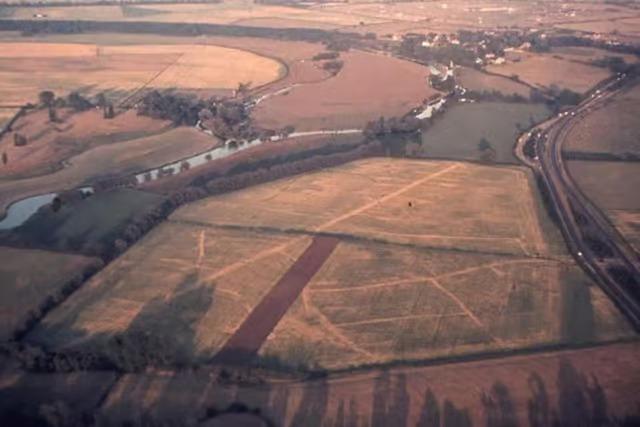
2. Durobrivae
During the Romans’ four century-long occupation of England, modern day Water Newton, near Peterborough, was the site of a significant town named Durobrivae.The large walled town was built to protect the crossing point of Ermine Street over the River Nene. According to the Nene Valley Archaeological Trust, the town was an important place in eastern Roman Britain and pottery vessels produced in its many kilns were traded widely across the province. Extensive excavations of Durobrivae were undertaken in the early 19th century, with archaeologists unearthing many artefacts including mosaic floors. Photo: PT
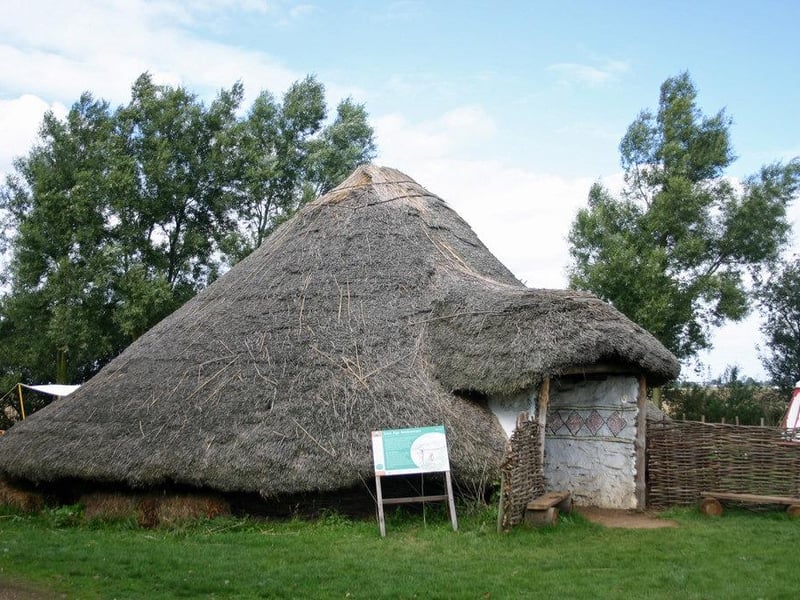
3. Flag Fen
Without doubt Peterborough's most famous archaeological site, Flag Fen was constructed about 3,500 years ago. The story of Flag Fen began in 1971 when excavations ahead of the construction of Peterborough New Town revealed an almost intact Bronze Age landscape, which ran along the edge of the drained fen. Further excavations in the 1980s revealed the true extent of the internationally important site. Photo: Jo and Steve Turner
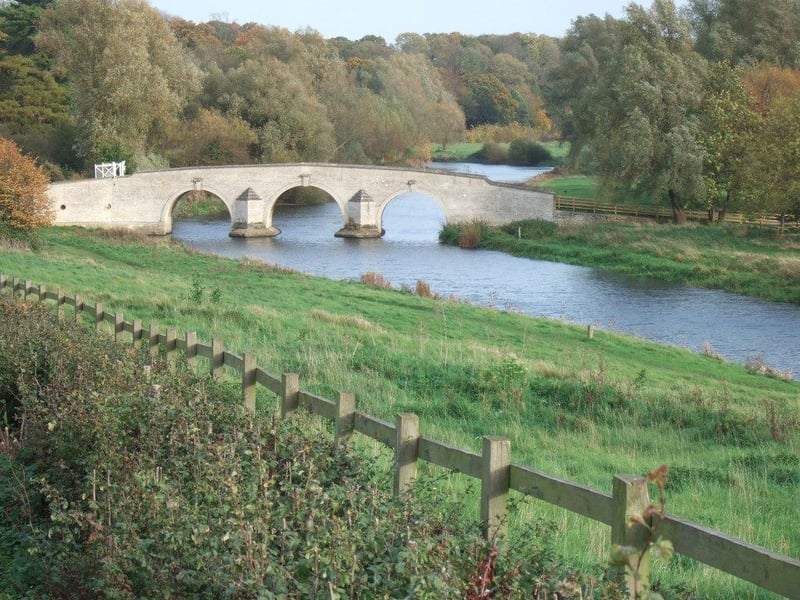
4. Castor Praetorium
Castor Praetorium was a huge Roman building which stood proudly on high ground on the northern edge of the Nene Valley. Built in 250AD, it was one of the largest Roman buildings in England. The herring bone foundations of the Praetorium can still be seen. Photo: Richard Humphrey