
Peterborough included in Bluetongue restriction zone to stop spread of disease affecting cows and sheep
Zone affects much of east of England
A restriction zone to stop the spread of a disease impacting a range of animals including cows and sheep has been extended to include Peterborough.
Bluetongue virus (BTV-3) is primarily transmitted by midge bites and affects cattle, goats, sheep, goats, deer and camelids, such as llamas and alpacas, with case numbers now increasing dramatically in northern Europe.
The virus is not harmful to humans.
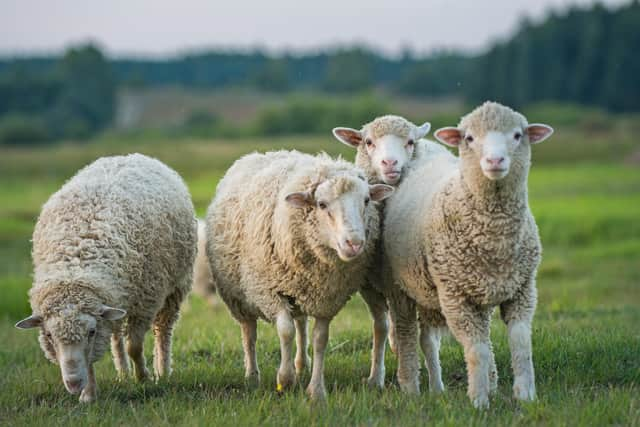

The disease is damaging and can reduce milk yield, cause sickness, and reduce reproductive performance. In the most severe cases, it can cause death with all of these outcomes impacting farmers’ incomes.
A restriction zone was put in place earlier this year due to an increase in cases – and that zone has now been extended to include all of Cambridgeshire, including Peterborough. The zone restricts movement of animals.
Deputy UK Chief Veterinary Officer Ele Brown said: “As the number of bluetongue cases continues to rise in England and northern Europe, we are taking further action to extend the restriction zone to mitigate the spread of the disease.
“Whilst we appreciate restrictions have an impact, it’s vital all farmers and keepers within bluetongue control zones adhere to the restrictions and only move animals when it’s absolutely essential to prevent the disease spreading to their herds.
“We are committed to working with everyone affected and urge people to report livestock they suspect have the disease. We will continue to keep control zones under review.”
If you suspect bluetongue, you must report it immediately by calling 03000 200 301 in England.
Bluetongue is a notifiable disease. If you do not report it, you’re breaking the law.