
New fleet of 46 ambulances rolled out to East of England Ambulance Service to ease winter pressures
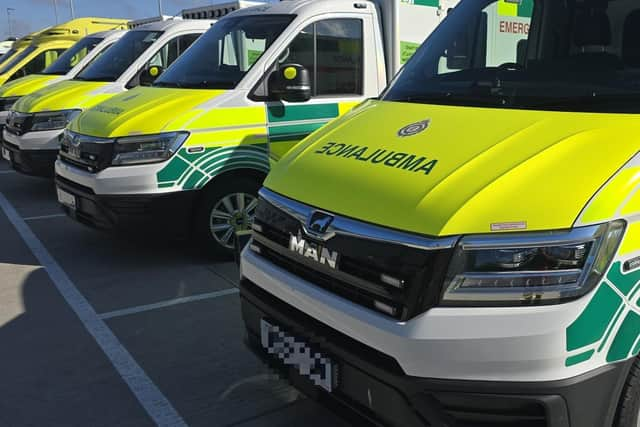
Patients and staff across the East of England are benefiting from a new fleet of 46 ambulances – to strengthen frontline emergency services amid this winter’s flu epidemic.
The vehicles – which will replace old ambulances – will help emergency services to respond faster and more reliably through winter.
The new vehicles are equipped with modern safety technology, improving protection for patients and staff while supporting paramedics to deliver urgent care more effectively.
An East of England Ambulance spokesperson said: "We welcome the government’s investment in strengthening emergency services this winter. This investment is already making a difference, helping us to modernise our fleet, reduce breakdowns, and improve reliability for patients and staff.

"These new vehicles will support faster response times and provide paramedics with the equipment they need to deliver urgent care safely and effectively.”
The government investment, which has seen a total of 500 new ambulances deployed across the country, has also supported skilled jobs - with vehicles converted by businesses across the country, including Peterborough.
Health and Social Care Secretary Wes Streeting said: “In an emergency, every minute matters. When someone dials 999, they should get help fast - not be left waiting because of creaking kit or preventable delays.
“These new ambulances are already helping to cut response times and keep more vehicles on the road, just as the NHS is facing a tidal wave of flu and the ongoing disruption of strikes.
“I want to thank NHS staff for their extraordinary dedication this winter. They are going above and beyond for patients, often in incredibly tough conditions, and this government is backing them with the modern equipment they need to do their jobs safely and effectively.”
NHS national director for urgent and emergency care Sarah Jane Marsh said: “This new fleet of ambulances are a crucial link between providing patient care whether at home, in transit or at an emergency department and are a real boost at a time when staff are working incredibly hard and emergency care is under considerable pressure.”
The announcement comes as the NHS manages significant winter pressures, including what it calls “an early flu peak and the effects of recent industrial action”.
Despite this, the government claims “ambulance response times have improved compared to last year, hundreds of thousands more vaccines have been delivered, and more care has been delivered in the community to help keep patients away from overcrowded A&E departments”.