
Why impending council restructure matters for all Peterborough residents - including you
Local Government Reorganisation (LGR) will change the way councils look and operate across the country.
It has been referred to as the biggest shake up of local government in decades.
From April 2028, the current seven councils in Cambridgeshire and Peterborough, including Peterborough City Council, will no longer exist and be replaced by larger unitary councils.
It is part of the government’s plans to transfer more powers and funding from national to local government and move away from the current two-tier system of district and county councils in England.
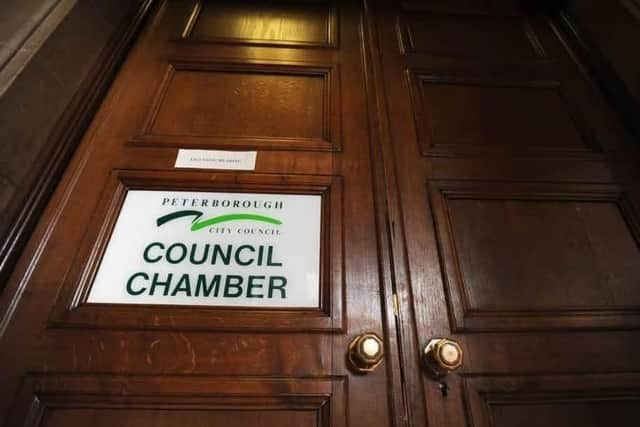

An extraordinary full council meeting will take place on Wednesday, November 12 where all 60 Peterborough councillors will decide which of the two LGR options (Option A or Option D) should be provided as a recommendation to the council’s ruling cabinet next week.
Peterborough City Council cabinet members, as well as the other six Cambridgeshire councils, must submit their preferred option to the government by November 28
Ultimately, the government will decide which option it wants to implement.
Why LGR matters for Peterborough residents
Despite a Cambridgeshire and Peterborough-based survey highlighting that 63 per cent of residents who took part knew nothing about LGR, it is a process that will affect everyone in the county.
Peterborough City Council is already a unitary authority, meaning it provides all the services of a county and district council for the city of Peterborough in a single tier of local government.
The government’s LGR plans will result in Peterborough merging with other neighbouring authorities to form a larger unitary authority with a different name, bringing services under one roof for a greater number of residents.
It is hoped that residents will see little change in services provided, with bins still emptied, care still provided to those who need it and streets still cleaned.
However, there are fears that creating a larger council could mean it is more remote from Peterborough residents, as it will serve many more people. Councillors may struggle to represent their residents in the way that they currently do.
Peterborough residents will also see a rise in their council tax bills as a result of the changes.
Each new authority must harmonise bills within seven years, with options for the new unitary councils to consider as to how quickly this occurs and how these single rates are calculated.
Peterborough currently has the lowest council tax rate for Band D properties in the county, meaning harmonising would likely see a rise in bills for all residents.
This could be as high as £216 or as low as £32 depending on what options are chosen and the level of harmonisation.
It is also possible that a new headquarters would be chosen for the new council, meaning residents could have to travel further for appointments unless local hubs are established. These details are yet to be finalised.
The government claimed that a significant amount of money could be saved in the long term by merging councils across the country into single authorities.
Some have argued that the restructure may create a disconnect between the larger authorities and their local communities, leading to decreased accountability to residents.
Others warned that it could create high short-term costs, disruption, and lead to negative impacts on staff morale at authorities.
What are the options for LGR?
Peterborough City Council will choose between Option A and Option D as its preferred option to submit to government.
Option A ‘North and South’ – Unitary 1 (Peterborough, Fenland, Huntingdonshire), Unitary 2 (East Cambs, South Cambs, Cambridge City)
Option D ‘Greater Peterborough’ – Unitary 1 (Peterborough, West Hunts), Unitary 2 (Fenland, East Hunts, East Cambs), Unitary 3 (South Cambs, Cambridge City)
These two options would see Peterborough either merge with Fenland and Huntingdonshire in a two-unitary model (Option A) or with West Huntingdonshire in a three-unitary model (Option D).
It was heard at previous council meetings how Option A would provide greater financial benefits with a shorter payback time, while Option D would offer better local responsiveness and sense of identity due to its smaller size.
Notably, Peterborough City Council officers informed councillors that Option A would be the “most balanced and sustainable option” for the region, provided local identity and engagement were actively protected. This is also the option that Cambridgeshire County Council chose to submit to government.
Financial data collated by finance officers and external advisors revealed that a two unitary model like Option A would generate annual savings of £12.1 million with a payback period of six years. It would come with one-off implementation costs of £34 million and one-off transformation costs of between £11 million and £16 million.
Meanwhile, a three unitary model like Option D would generate annual savings of £1.4 million with a payback period of 50 plus years. It would come with one-off implementation costs of £41 million and one-off transformation costs of between £7 million and £12 million.
Ahead of the full council meeting, Peterborough City Council leader Shabina Qayyum said: “Change is coming and we are developing options which we believe will help secure Peterborough’s future prosperity whilst continuing to provide high quality public services.
“We have now whittled the five options down to two proposals which we feel are best aligned with local and national objectives and I look forward to further discussion.”