
Water authority urges residents to 'bin it' as 10 MILLION litres of fat are removed from East of England sewers
Residents and businesses across Peterborough, south Lincolnshire and the wider area are being urged to correctly bin their kitchen waste – after Anglian Water recovered millions of litres of fat from local sewers.
Working with Environmental Compliance and Services (ECAS), Anglian Water says it has “saved the East of England’s sewers from 10 million litres of fat” – equivalent of more than 16 million blocks of butter.
The water authority says this will prevent “avoidable blockages” and help to protect homes, businesses and the environment from flooding and pollution.
Its partnership with ECAS has supported more than 12,200 food service establishments (FSEs) across the region since 2019. Together, the organisations have helped commercial kitchens change everyday habits and keep fats, oils and grease (FOGs) from entering the sewer system.
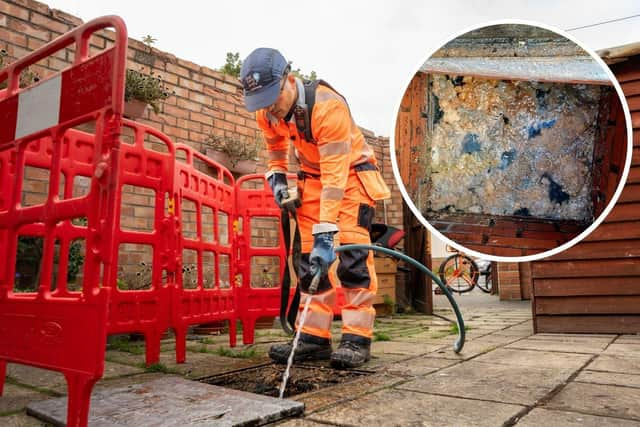

An Anglian Water spokesperson said: “FOGs left over from cooking can cause serious issues when they enter sinks, dishwashers or internal drains and make their way into the sewer network. Warm fat may appear harmless as it slips down the drain, but it quickly cools, hardens and coats sewer walls, reducing capacity and causing blockages. Over time, this significantly increases the risk of sewer flooding and environmental damage, particularly in hotspots such as takeaways, pubs, hotels and restaurants.”
Connor Brailsford, Sewer Misuse Programme Manager at Anglian Water, said: “By working closely with ECAS and food businesses across our region, we’ve helped keep millions of litres of fat out of the sewer network, reducing blockages, protecting communities from flooding, and safeguarding the environment. It’s a great example of how changes in everyday behaviour and the correct equipment can deliver significant, lasting benefits.”
There are more than 70,000 food service establishments operating across the Anglian Water region. By prioritising areas where sewer blockages pose the greatest risk, Anglian Water is working proactively with businesses to prevent problems from recurring.
Tackling sewer misuse at source is just one way the company is helping reduce pressure on the network during heavy rainfall, lowering the risk of flooding and storm overflows.
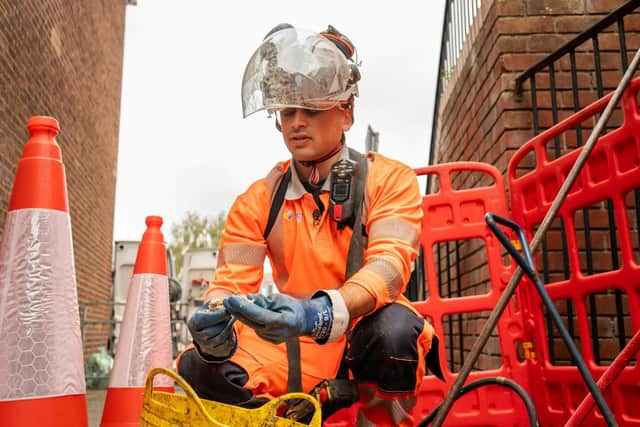
Sam Dalton, Operations Director at ECAS, said: “Our partnership with Anglian Water and the food sector over the last few years has laid the foundation for preventing blockages – especially during holidays like Easter – that could disrupt family get-togethers and harm the environment. By showing kitchen staff the importance of effective grease-trapping equipment and responsible kitchen practices, we’re helping food businesses keep FOG out of the sewers not just at Easter, but all year round.”
Section 111 of the Water Industry Act 1991 makes it a criminal offence for any food business to restrict or block the free flow of a public sewer. Water companies, including Anglian Water, can charge food service establishments for the cost of clearing blockages caused by incorrect disposal of FOGs.
Anglian Water’s top tips for those running commercial kitchens:
• Scrape vegetable peelings, rice, pasta, food debris and grease from plates, pans and utensils into the bin before washing
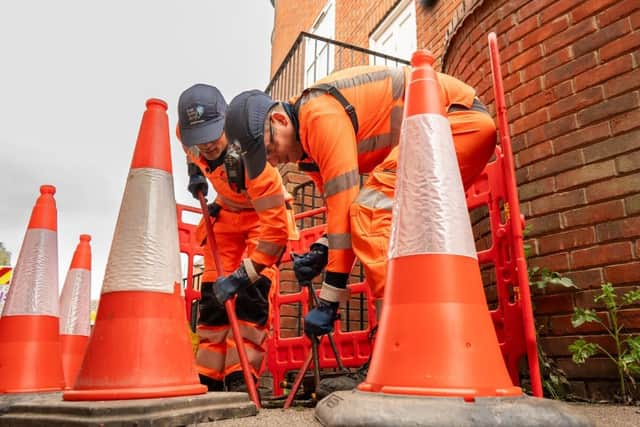
• Collect used fat, oil and grease in a sealed container and arrange regular collection by a registered waste carrier. Retain waste transfer notes for two years
• Use sink strainers to stop food going down drains and empty them into the bin
• Regularly service and maintain grease traps, and keep a written record as part of routine compliance.