


To many people, Central Park is, quite simply, the ‘Jewel in Peterborough’s Crown.’
Covering just over 22 acres, the city’s premier green space is of course dwarfed by its massive American namesake in New York City.
But what our cherished Park Crescent landmark lacks in size it more than makes up for in charm and ambience, affording Peterborians of all ages a pleasant outdoor space to socialise, play and relax in.
Along with its beautiful formal gardens and expansive green spaces, Central Park boasts tennis courts, an aviary, bowling greens, a croquet lawn and a café.
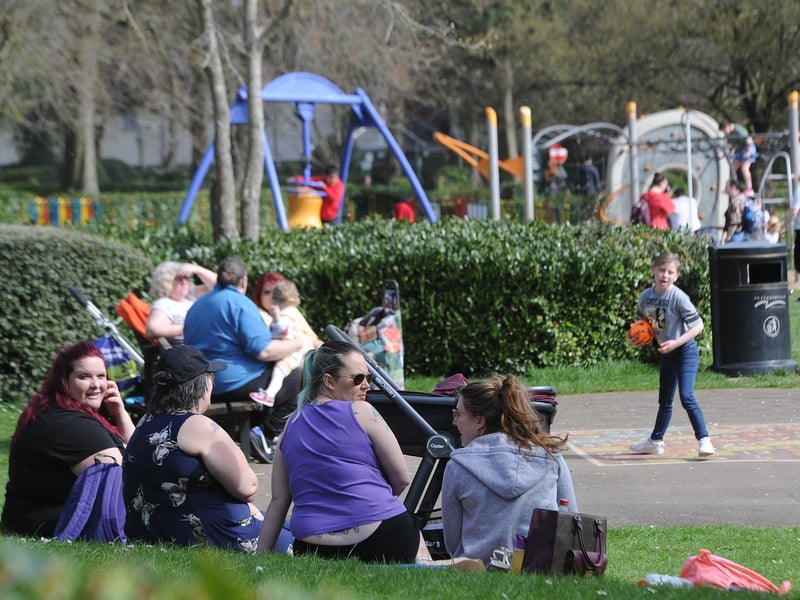
There is also a play park, paddling pool and sandpit on hand for children to enjoy.
The idea of a (semi-) public space in the area first came about in 1875, when the Peterborough Land Company (PLC) bought up what was then a sizable 330 acres of land.
The PLC originally intended to develop the land for housing, with a formal park planned at the centre.
‘The Park’, as it was known, was opened in Easter, 1877, although it was still only partially completed and admittance was via subscription only.
In 1900, the cost of a summer season ticket was 15 shillings for families and five shillings for single people: that’s about 75p and 25p respectively in today’s money!
Along with elegant, ornamental gardens, this new formal green space afforded Victorian Peterbroians the chance to make merry with a croquet lawn, pond, rockery and pavilion.
This landscape remained much the same over the subsequent three decades, becoming a reassuringly familiar place of enjoyment for the city’s growing population.
In 1908, the City Council took over responsibility for the site on a 999 year lease.
Five years later, the Great Northern Railway presented the council with the stone archway which now stands proudly as the Broadway entrance.
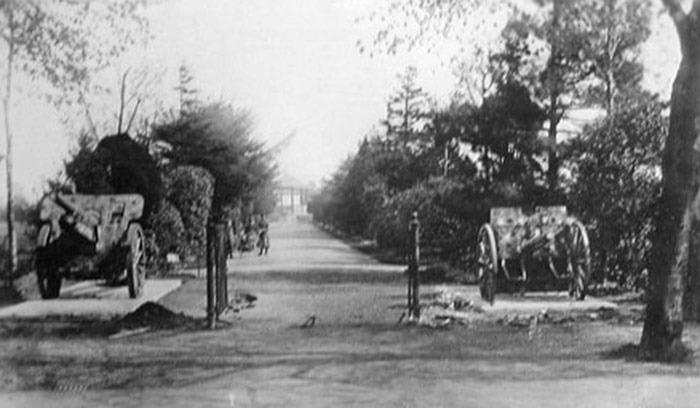
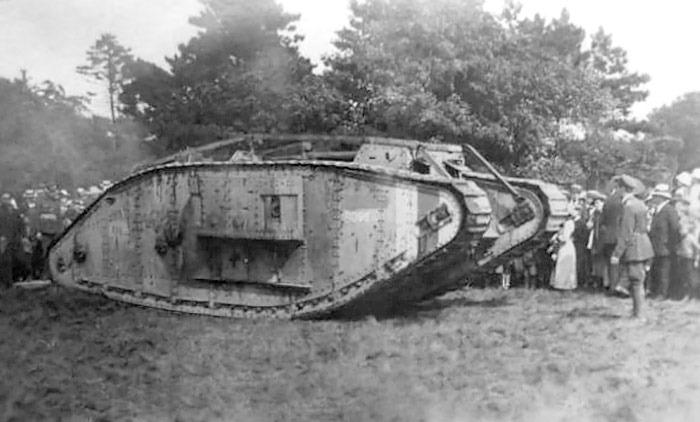
Following the First World War, an old British tank from the conflict was sited in the park, as were – incredibly – two large German field guns.
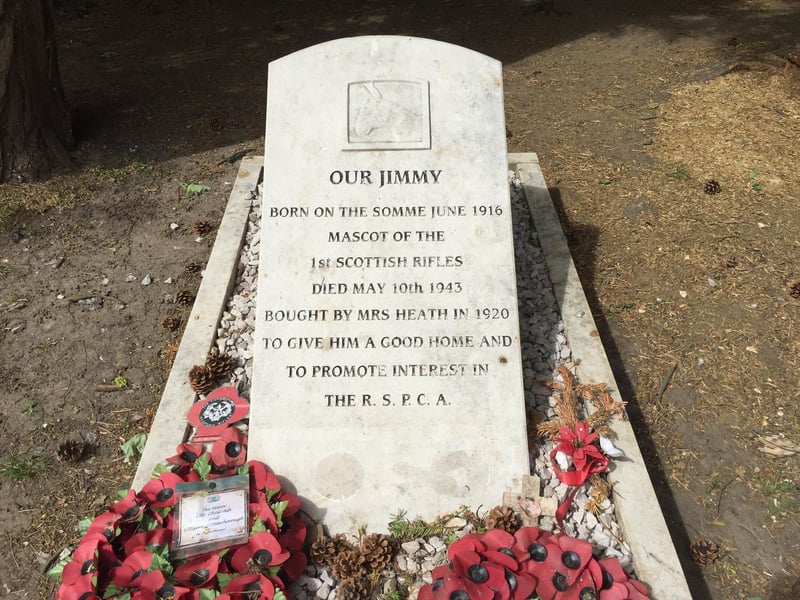
Legendary Peterborough mascot and phenomenal RSPCA fundraiser Jimmy the Donkey – famed for transporting injured Tommies from the front lines during The Great War – was laid to rest in the park in 1943.
Over the years, the park hosted several design elements which are, sadly, no more. Some of the more prominent of these – which some of our older readers may remember – include an open-air theatre, pond (which is now the sunken flower garden) and bandstand.
The removal of the much-loved bandstand – which stood where the large willow tree now grows – prompted a large and emotional outcry from Peterborians when it was removed in the mid-1960s.
In 1999, the park received a significant cash injection of £629,000 from the National Lottery Heritage Fund.
The project, which focused on restoring the 19th and early 20th century landscape of the park and protecting its historic features, saw several areas of the park refurbished, including the sunken garden, the sensory garden and two play areas.
Along with the aforementioned facilities and ever-beautiful gardens, visitors to Central Park today can enjoy both hard and grass tennis courts, volleyball, table tennis and, of course, the ever-popular Willow Cafe.
While the park is perhaps not quite as elegant or regal as it was in Victorian or Edwardian times, it is undoubtedly the city’s most pleasant green area within an easy walk of the town centre.
And now the days are starting to get lighter and, hopefully, a little warmer, now is as good a time as any to head over and appreciate it!
Video courtesy of Jim Mack / Peterborough at Night
9. Peterborough in Focus: Central Park
Incredibly, two German fields guns once stood at the entrance to the park following the First World War. The guns were captured by the men of 6Bn, Northampton Regiment on Tuesday 18 September 1918, at Ronssoy Wood. Photo: Peterborough Images
10. Peterborough in Focus: Central Park
This tank - lauded as a captured german tank - was sited in the park in 1919. It was actually a British tank which stayed in the park for nearly 20 years, until finally being cut up for 30 tonnes of scrap in 1938. Photo: Peterborough Images
11. Peterborough in Focus: Central Park
Much-loved Peterborough legend Jimmy the Donkey was a courageous wartime mascot and vital evacuator of injured soldiers during the First World War. After the conflict ended, Jimmy was bought by the RSPCA and adopted by the Peterborough branch where he helped to fundraise thousands of pounds. He died in 1943 and was laid to rest in Central Park. Photo: David Lowndes
12. Peterborough in Focus: Central Park
The kids' play park is a favourite place for Peterborough families to come and let off some steam. Photo: David Lowndes