
EXPLAINED: The state of play with Peterborough’s hosepipe ban going into October - and what it means for you
Peterborough has been under a hosepipe ban since July 11
For nearly three months, Peterborough residents have been unable to (legally) use a hosepipe for things like washing cars, watering plants or filling swimming pools.
The city has been under water usage restrictions since July 11 after Anglian Water imposed the measures to preserve dwindling supplies.
Affecting more than 7 millions customers across the East of England, the restrictions were introduced after an exceptionally dry spring and summer left reservoir levels well below where they should be.
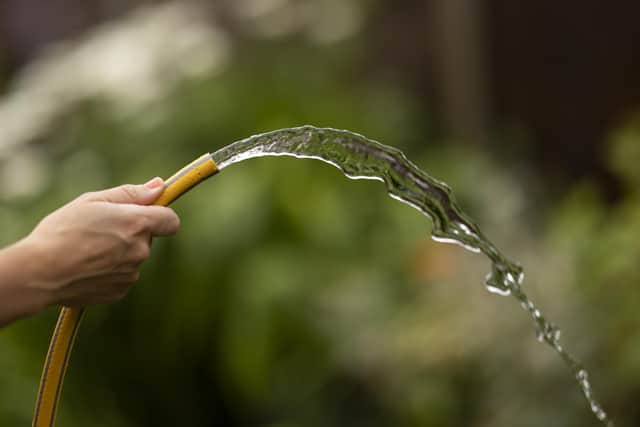

With the first month of autumn now having almost passed, many Peterborough residents will be wondering whether there is any end in sight for the city’s hosepipe ban.
Water usage restrictions may be associated with the summer months, there is no magic switch to flick as the end of 2026 approaches.
We’ve taken a closer look at the state of play for Peterborough’s hosepipe ban as September makes way for October, and what it means for you.
When will the hosepipe ban end?
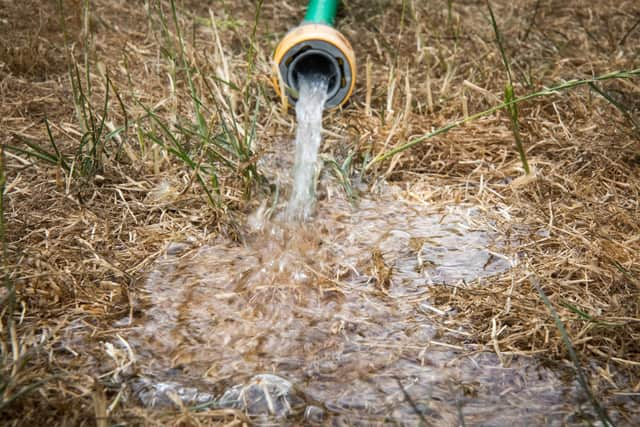
Ever heard of the saying ‘how long is a piece of string?’, because it’s very much applicable when it comes to discussing when Peterborough’s hosepipe ban could end.
Most recently, in early September, Anglian Water told the Peterborough Telegraph that there are no plans to remove its usage restrictions any time soon.
A spokesperson for the company said: “While any rain is welcome and will help, a few weeks of rainfall won't reverse the effects of many months of hot, dry weather.
“Our rivers, groundwater and reservoirs need sustained rainfall over a much longer period to recover (typically this happens in autumn and winter).
“Rain during hotter and drier periods also isn't as effective at bringing water levels back up, as the dry ground stops water from soaking in, meaning it takes longer to recharge sources such as groundwater.
“The Temporary Use Ban (or hosepipe ban) will be lifted once we are confident that sources have recovered back to normal levels, this ensures public water supply and the environment are protected.”
Whilst a few days of rain can make our gardens look greener, Anglian Water’s rivers and reservoirs will take far longer to recover from the scorching summer of 2026.
As such, Peterborough residents remain legally required to follow these restrictions under section 76 of the Water Industry Act 1991.
Has Peterborough had a rainy September and will this make any difference?
According to the Met Office, the long-term average rainfall for England in September is between 68mm and 87mm, although this varies by region.
However, when using Peterborough as a case study, a relatively dry September will have done little to have boosted reservoir and river levels.
Peterborough has recorded just 32.7mm of rainfall this month, according to Peterborough Weather Watch.
The city experienced a wet August - in which 73.2mm of rainfall was recorded - but a dry September may well have cancelled out any progress made last month.
With October, November and December typically England’s wettest months of the year, any hopes of a New Year lifting of the hosepipe ban could hinge on the rainfall recorded over late autumn and early winter.
How are reservoir levels looking?
At the time of writing (Tuesday, September 29, each of Anglian Water’s six reservoirs remain categorised as ‘below average’.
The lowest of which, at Alton in Suffolk, is 58.53% full.
Anglian Water’s resources also include groundwater reserves - such as boreholes - and rivers, which will both take time to recover after the hot summer.
Residents in The Fens, King’s Lynn, Norwich and Norfolk continue to be asked to use water for essential purposes only due to very low levels of the Rivers Nar, Wissey and Wensum.