
Ambulance trust says: "Expectation that an ambulance will take patients to hospital in every case is "outdated""
The trust that runs ambulance services in Peterborough has said the "Traditional expectation that an ambulance will take patients to hospital in every case is "outdated""
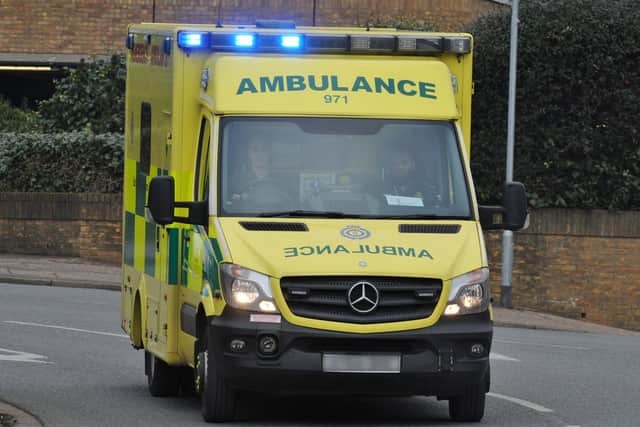
The East of England Ambulance Service (EEAST) has set out a major change in how it will care for patients, saying that sending every patient to hospital is no longer the most effective approach.
In its new Patient Plan, the Trust outlines how it will deliver faster emergency responses for the sickest patients, while helping others get the right care earlier, often closer to home.
The plan comes as demand for ambulance services rises and patient needs become more complex, placing increasing pressure on hospitals and emergency care.

Simon Chase, Chief Paramedic at EEAST, said: "We are changing how care works so patients get the right help first time. An ambulance journey to hospital is not always the best option. What matters is getting the right care, quickly and safely.
"This plan will aim to deliver faster responses for the sickest patients, clearer advice when people call us, and more support closer to home where it is safe to do so.
"Just as importantly, we are supporting our staff with better training, stronger leadership and improved tools, so they can make confident decisions and provide high-quality care."
EEAST says the traditional expectation that an ambulance will take patients to hospital in every case is "outdated", and that a more flexible approach will lead to better outcomes.
Instead, the service said they will:
Get specialist clinicians involved earlier in patient care
Provide clear advice first time, without patients repeating their story
Respond faster to life‑threatening emergencies
Help more patients access care closer to home, where it is safe to do so
The Trust says this will reduce delays, avoid unnecessary hospital visits and improve care for those in greatest need.
By sending ambulances only where they are truly needed, EEAST says they aim to reduce waiting times for its most critical patients, including cardiac arrests and other serious emergencies.
The plan also sets out closer working between ambulance services, GPs, hospitals, mental health services and community teams.
Services such as 999 and 111 will be more closely linked, so patients receive consistent advice and are directed to the right support from the start.
To read the patient plan visit https://www.eastamb.nhs.uk/about-us/our-patient-plan-2025-30