
19th century stables on edge of national nature reserve near Peterborough could be converted into three new homes
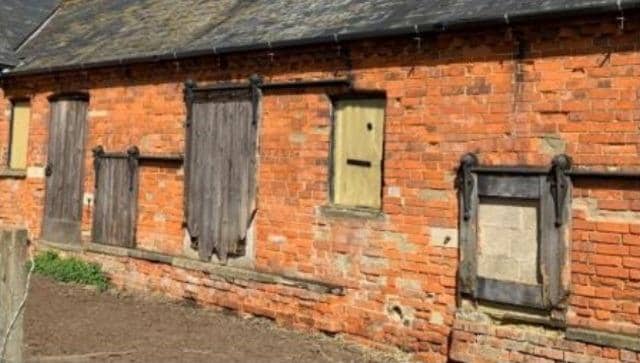

A planning application was submitted by The Church Commissioners for England
Plans have been submitted to convert a 19th century stable building into three new homes on the edge of a national nature reserve.
The Church Commissioners for England, which administers the property assets of the Church of England, applied to Peterborough City Council for planning permission regarding the stable’s change of use.
In situ since 1885, the stable building is located at St Johns Farmyard off Kings Cliffe Road near Wansford.
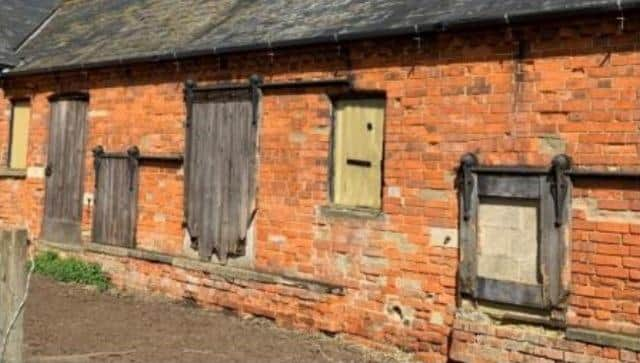
The development sits next to the 520-acre Bedford Purlieus National Nature Reserve, notable for having been continuously wooded since at least the Roman times.
St Johns Farmyard is associated with the Duke of Bedford estate, including the nearby estate workers cottages which lie to the west and are accessed via the same private road.
Each of the three proposed homes would be single storey. Plot A would comprise a four-bedroom dwelling, while Plot B would have three bedrooms and Plot C would have four.
All plots would also benefit from two parking spaces and one secure covered cycle space.
A conservation officer advised that there is no objection to the principle of the conversion of the stable block, provided that the character of the building is retained.
The planning statement, written by Savills, states: “As the proposed development is for the change of use of the building, the scale and form of the stable block has been retained.
“The existing openings have been retained where possible and new timber windows are proposed to replace windows which have experienced weathering.
“The removal of the modern breeze block infill and replacement of ill-fitting PVC windows with a more architectural style will aid in enhancing the significance of the building, in an attempt to return it to its historic state.”
Peterborough City Council planners will make a decision on the application at a later date.