
Peterborough City Council may reallocate budgets towards climate change resilience
Peterborough City Council is looking at ways to prepare the city for the effects of climate change.
The authority has commissioned a Climate Adaptation Plan to assess the city’s vulnerabilities and outline a strategic approach to improving its resilience.
According to a council report written by the authority’s climate change manager Hannah Swinburne, Peterborough is expected to face “adverse impacts” from three major climate-related hazards now and in the years to come.
These include flooding caused by more frequent and intense rainfall events, heat stress caused by rising summer temperatures combined with urban heat island effects, and droughts caused by prolonged dry periods.
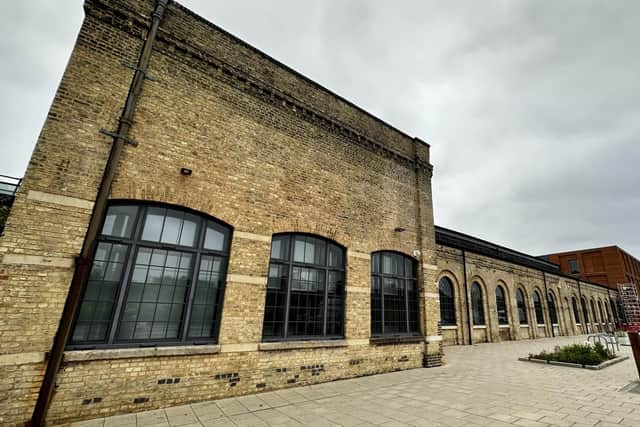

Peterborough City Council’s budgets will be reviewed to assess opportunities for reallocation towards climate resilience projects
Several of the city’s most deprived neighbourhoods are in or near high risk flood zones along the River Nene and low-lying areas of the Fens, according to the report which will be presented to a council scrutiny committee on November 6.
“In the event of flooding, residents in these communities are more likely to experience prolonged displacement, property damage without adequate cover, and mental health stress due to fewer resources enabling quick recovery,” Ms Swinburne’s report states.
Despite highlighting the risks of flooding, the report also notes that Peterborough is located in one of the most water-stressed regions in the UK, with low annual rainfall compared to the national average.
In 2005, the probability of an extreme dry three-month period was 0.56%, but by 2040 this will reportedly increase to 1.96%.
The Met Office announced that nationally 2025 saw the warmest summer on record, with a mean temperature of 16.1°C between June 1 and August 31.
Ian Rule, director of Water Services for Anglian Water, warned that levels in the reservoirs, rivers and groundwater sources in the East of England were below normal for the time of year as a result, meaning much more rainfall is needed to fully replenish these sources.
He said: “Despite some recent rainfall though, we’ve still got a really long way to go.
“Our modelling suggests that for water resources to return to normal levels we will need a significant amount of consistent rainfall this winter – more than 100% of the usual rainfall every month until next April.
“This means we need to see more rainfall over the next six months than we’ve had across the entirety of 2025 so far.”
Peterborough City Council officers have reviewed a proposed action list and identified some ‘quick wins’ which could be undertaken in the near future to prepare for climate change.
These include increasing public awareness campaigns on flood safety measures, strengthening land-use planning regulations to restrict high-risk developments, upgrading to heat-resistant materials for road and rail construction, and encouraging public water-saving measures.
The council’s economy, inclusive growth and environment scrutiny committee is asked to note the risks and proposed adaptation measures included in Ms Swinburne’s report and recommend the relevant cabinet member approves the draft Climate Adaptation Plan for public consultation.
Projects will be scoped and funding sought to deliver the actions suggested. The prioritisation of projects will be influenced by public engagement.