
CQC praises East of England Ambulance Service for improvements
Emergency care services now rated as ‘good’ by CQC
There have been improvements made by the East of England Ambulance Service Trust (EEAST), the CQC have said.
The service, which provides vital care for patients in Peterborough, as well as across the region, has been rated as ‘Good’ across both its Emergency Operations Centre (EOC) and Urgent and Emergency Care (UEC) services.
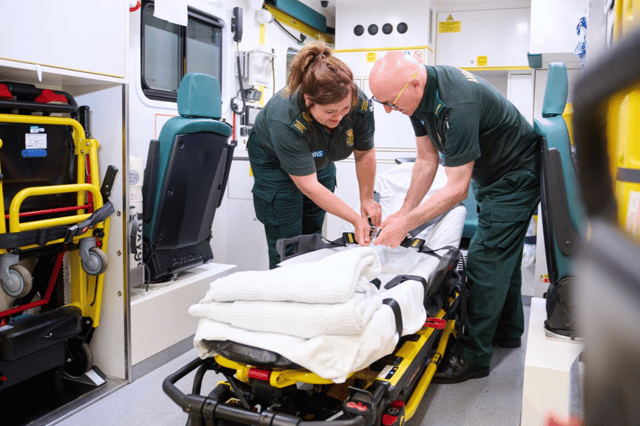

The progress reflected in these reports is a testament to their professionalism, commitment and determination to deliver high-quality care every day.
The previous rating for urgent and emergency care was inadequate, while the EOC was rated as requires improvement.
The Trust has been rated good overall.
Neill Moloney, Chief Executive of EEAST, said: "These findings recognise the enormous amount of work colleagues across EEAST have put into improving our services for patients. The progress reflected in these reports is a testament to their professionalism, commitment and determination to deliver high-quality care every day.
"We are proud that the CQC has recognised these improvements. We also recognise the areas of continued focus identified by the CQC, particularly around ensuring leadership and management arrangements are consistently effective across all parts of our Urgent and Emergency Care service, and we remain committed to building on the progress we have made."

Call waiting times were now much better, and people were receiving safer care
Sarah Ivory Donnelly, CQC deputy director of hospitals in the East of England, said: “When we inspected these two services run by East of England Ambulance Service NHS Trust, it was clear they had taken on board our previous inspection findings and used them to make improvements.
“This action had made a difference in the experience of people using their services. Call waiting times were now much better, and people were receiving safer care.
“We saw staff make a conscious effort to actively listen and understand people, including acknowledging people’s choices about their care and their right to refuse treatment. Staff provided options for people if they didn’t want to go to hospital and allowed them to make their own decisions based on the information presented. Staff were mindful of cultural sensitivities when entering a person’s home to ensure respectful and effective care. This included respecting people’s religious or cultural practices regarding modesty or physical contact.
“The service made it easy for people to share feedback and ideas or raise complaints about their care, treatment and support. To further evidence the improvements made during our inspection, we found the service now received nine compliments for every complaint it received.
“In the emergency operations centre we saw significant improvements in staffing levels; previously this had caused delays in call waiting times and meant people couldn't always access the service when they needed it. Now, staff spoke to people to ensure they had all the essential information to determine if their needs could be safely met, and teams worked closely together to ensure the right resources were sent to the right emergency in a timely manner.
“Overall, the Trust should be happy with the improvements they’ve made, and they’ve built a good base on which to make further improvements.”
What did the CQC find?
In urgent and emergency care, inspectors found:
- Staff were caring and knowledgeable. People spoke highly of the service they received and felt safe in the care of the ambulance crews.
- Staff were aware of the services available in their area to support people who weren’t taken to hospitals, such as those that arranged home care support. However, when staff were out of their usual area, this wasn’t the case and increased the likelihood of people being taken to hospital.
- Staff didn't always report routine incidents such as being late off duty or the noise in the back of the ambulance, which could help improve services and people’s experiences.
In EOC, inspectors found:
- Staff communicated with people in a way that helped them understand their care and treatment, adapting their approach to meet individual communication needs.
- Staff were able to recognise adults and children who were at risk of, or experiencing, significant harm and understood the importance of working collaboratively with partner organisations to safeguard them.
- Call handlers followed protocols and, where appropriate, advised callers on prescribed medicines in line with national guidance.
- Leaders listened to concerns about safety and investigated and reported safety events. Lessons were learnt to continually identify and embed good practice.
The reports will be published on CQC’s website in the coming days.