
In the early stages of the Second World War, parts of the countryside surrounding Peterborough were transformed into RAF airfields as the government quickly drew up plans to combat the Axis powers.
Given its close proximity to Lincolnshire, which earned the nickname ‘Bomber County’ during the Second World War because it hosted the highest concentration of operational airfields of any county in the UK, the Cambridgeshire and Northamptonshire countryside was earmarked for several new RAF airfields.
During the six-year conflict, these bases would prove pivotal during campaigns such as the Battle of Britain.
Between 1939 and 1945, they served vital roles in bombing campaigns, fighter operations, and flight training.
In the post-war era, however, with their primary functions made redundant, many local airfields either fell into disrepair or were returned to civilian use.
More than eight decades may have passed since the end of the Second World War, but the legacy of these once-vital airfields lives on.
We’ve taken a look at five former RAF airfields near Peterborough:
1. RAF Upwood
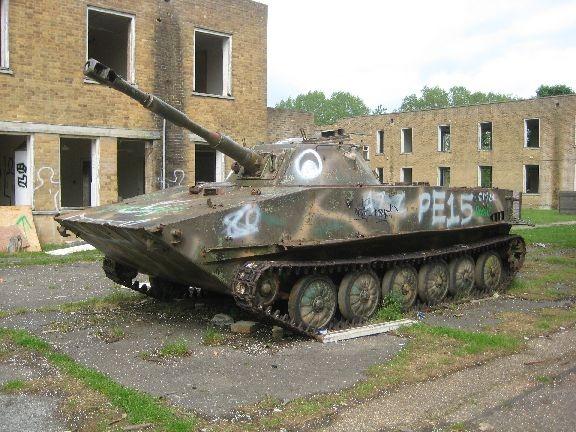
RAF Upwood was one of the most important airfields in the area during the Second World War, with a 2,500-strong workforce at its wartime peak. Such was Upwood’s operational importance during the early 1940s, three new concrete runways were built in 1943 to allow the first of the Pathfinder Squadrons to operate from the base. In February 1941, Josef Jakobs, a German spy, was parachuted into a field adjacent to the base and was captured by local farmers. Jakobs was discovered to have maps of the RAF Upwood area, a code device and almost £500 cash on his person. In August 1941, Jakobs was executed by firing squad at the Tower of London having been found guilty of treachery. In the years after the war, Upwood performed various RAF roles until 1981, before being taken over by the United States Air Force. As of 2026, the majority of the base has been demolished ahead of redevelopment, with around a dozen buildings remaining Photo: Peter Neal
2. RAF Glatton
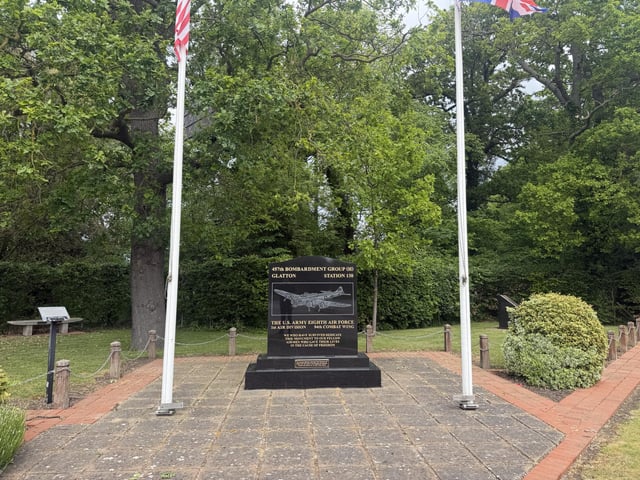
RAF Glatton, completed in 1943, was utilised by the United States Army Air Force’s 457th Bombardment Group. The base took the name of another nearby village, rather than Conington. During this time RAF Glatton hosted the USAAF’s Boeing B-17 Flying Fortress squadrons. The base was used by the 457th Bomb Group to fly combat missions between February 1944 and April 1945. After the war, Glatton was transferred to the RAF Bomber Command unit, before being sold in 1948 and returned to agricultural use. These days the site is shared by the Peterborough Business Airfield and Flying Club Conington. Photo: PT
3. RAF Polebrook
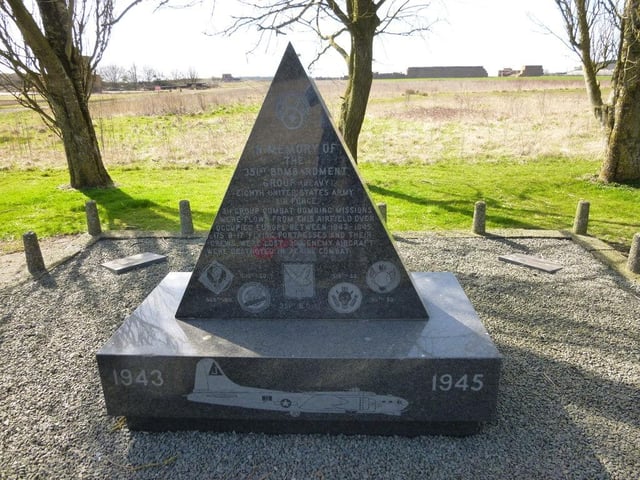
Polebrook was home to one of Northamptonshire’s key strategic airfields during the Second World War. Opened in 1941, RAF Polebrook was the base for the first heavy bomber mission flown by the US Eighth Air Force the following year. It was in 1943 that none other than world-famous Hollywood actor Clark Gable found himself stationed at Polebrook. Gable was assigned to the USAF’s' 351st Bomb Group to produce and direct a recruitment and gunnery training film, Combat America. Polebrook’s three runways hosted a number of different wartime aircraft, including the famous B-17 Flying Fortress. In the three years after the war, Polebrook was returned to the RAF and subsequently closed in 1948. By 1967, the airfield had been fully returned to the Rothschild estate; its runways broken up and concrete removed. As of 2026, the former airfield site remains in agricultural use along with the 1940s-era hangar. Photo: Richard Humphrey
4. RAF Warboys
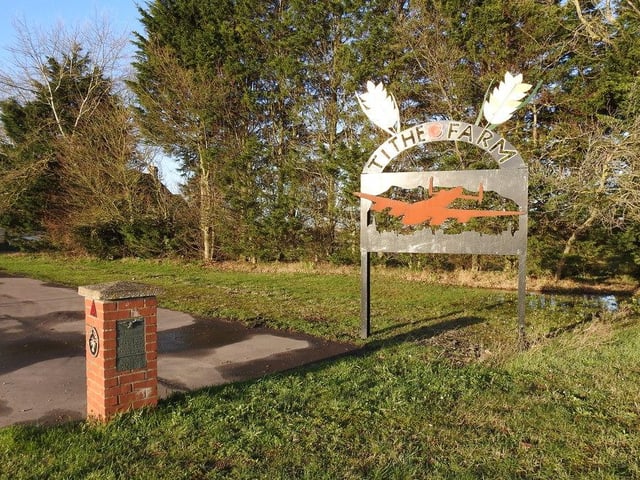
Operational between 1941 and 1945, RAF Warboys was of the original Pathfinder Force stations. The first fully operational squadron to arrive was No. 156 Squadron in August 1942, utilizing Vickers Wellingtons and later Avro Lancasters. Today, much of the site has been broken up or returned to farmland Photo: Adrian Pye