
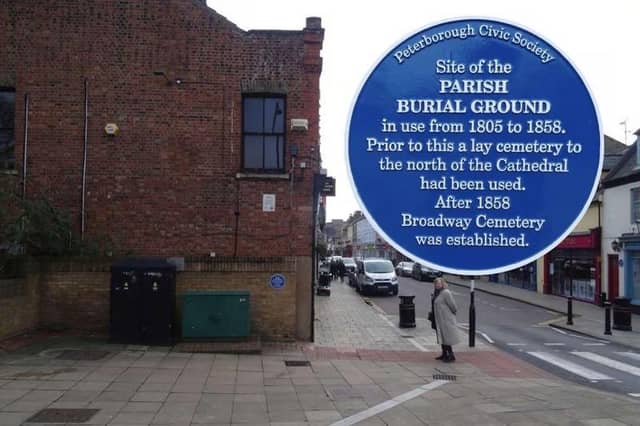

As the old saying goes, ‘everyday is a school day’, and that’s certainly appropriate when it comes to Peterborough’s rich heritage.
You may have lived here your entire life, but there are always certain nuggets of new information about the city’s history that raise eyebrows.
Popular historical landmarks such as the Cathedral and Flag Fen are well-documented, but other lesser-known sites can fade into the background.
Thankfully, there’s a great way to discover Peterborough’s hidden history and discover more about the city we all know and love.
Between 2017 and 2020, Peterborough Civic Society installed blue plaques at 36 historical sites around the city.
These plaques were installed at historically significant sites, ranging from birth places of important figures to lost cemeteries.
Such is their small size, the plaques are easily missed by those walking past.
Each of the three dozen plaques are fascinating in their own right, but some are particularly intriguing.
Here are 10 of the most fascinating Peterborough blue plaques that you’ve probably walked past without realising:
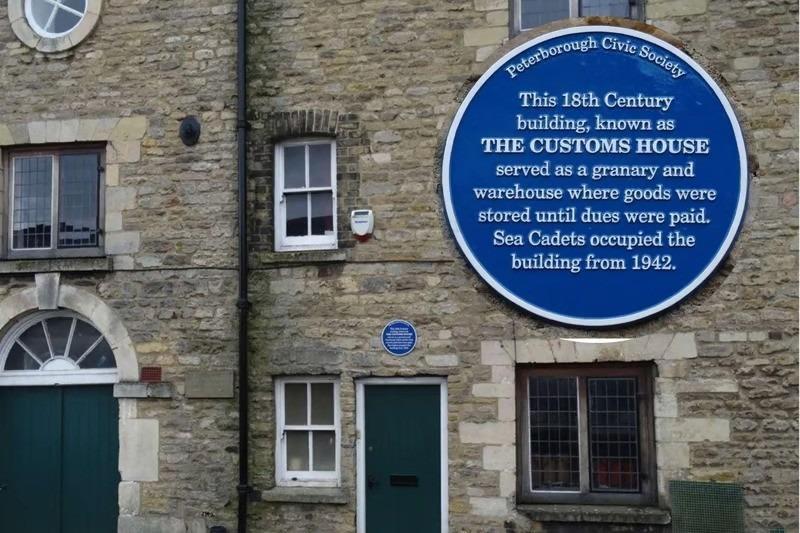
5. Customs House
This 18th century building known as Customs House served as a granary and warehouse where goods were stored until dues were paid. Sea cadets occupied the building from 1942. It is located in Rivergate. Photo: Civic Society
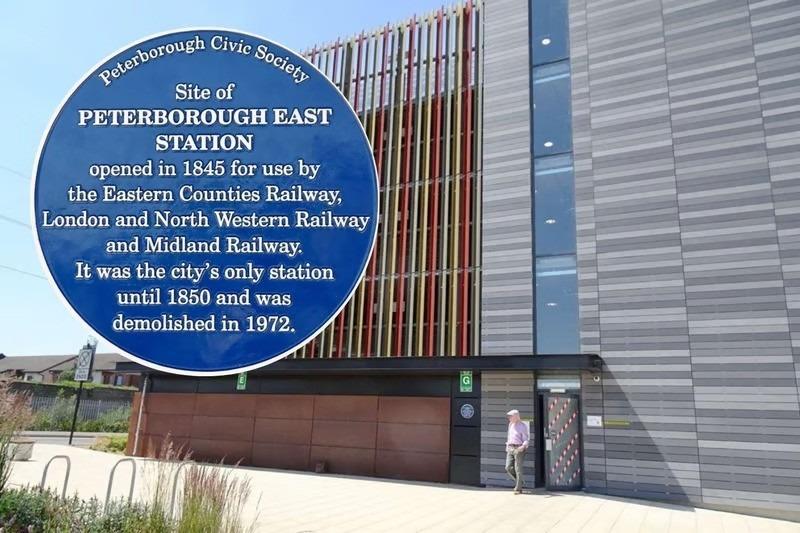
6. Peterborough East Station
This is the site of Peterborough East Station which opened in 1845 for use by the Eastern Counties Railway, London and North Western Railway and Midlands Railway. Located in Bittern Way, it was the city's only station until 1850 and was demolished in 1972. Photo: Civic Society
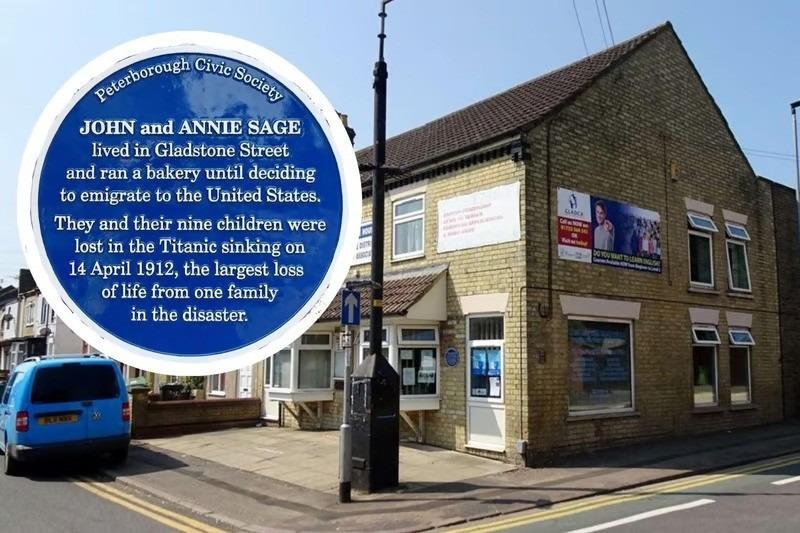
7. The Sage Family
John and Annie Sage lived at Gladstone Street and ran a bakery until deciding to emigrate to the US. They and their nine children were lost in the Titanic sinking in 1912 - the greatest loss of life from one family during the disaster. Photo: Civic Society
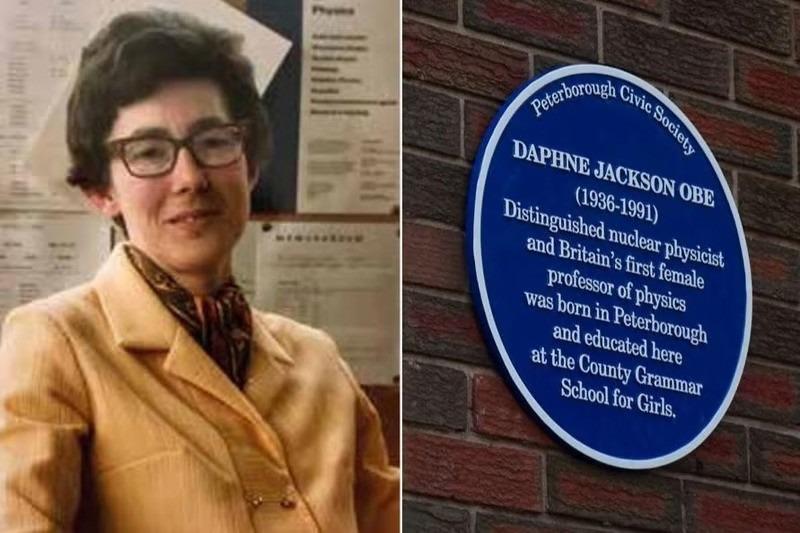
8. Daphne Jackson OBE
Daphne Jackson OBE was a distinguished nuclear physicist and Britain's first female professor of physics. She was born in Peterborough and educated at the County Grammar School for girls in Cobden Avenue. Photo: Civic Society